
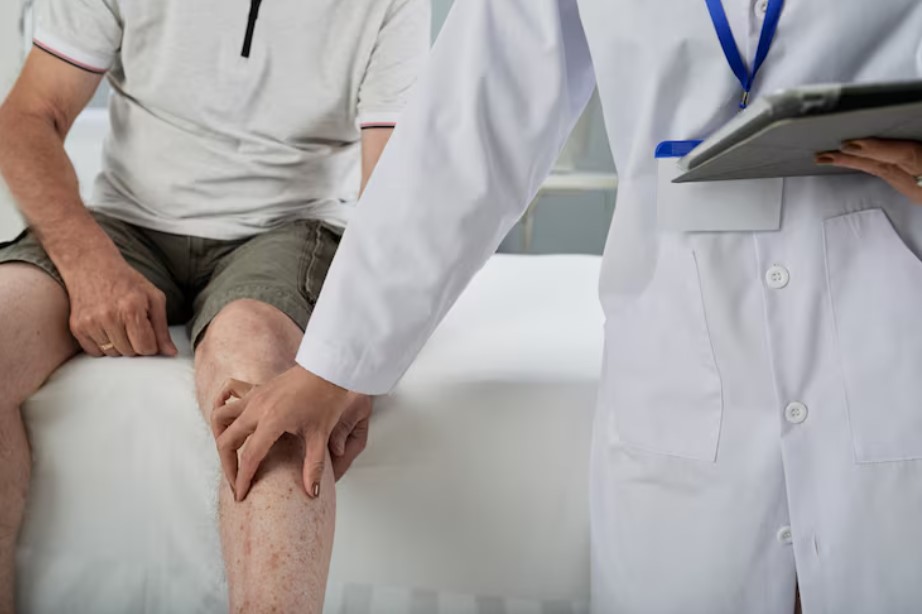
Arthritis of the knee can gradually transform ordinary activities into difficult tasks. Walking through a store, getting out of a chair, climbing stairs, or simply standing for an extended period may become uncomfortable as joint damage progresses. While many people manage arthritis successfully with conservative care, severe joint deterioration can eventually reach a point where these approaches provide limited relief.
Knee replacement surgery may become an option when persistent pain and restricted movement begin to interfere significantly with everyday life. Understanding why surgery is considered and what factors influence the decision can help patients have more informed conversations with their orthopedic care team.
Understanding Severe Knee Arthritis
A healthy knee joint depends on smooth cartilage that allows the bones to move against one another with minimal friction. Arthritis can gradually damage this protective surface. As cartilage deteriorates, movement may become painful, stiff, and increasingly restricted.
Osteoarthritis is a common reason people eventually consider joint replacement. It develops as cartilage breaks down over time. Other forms of arthritis, including inflammatory conditions, may also contribute to significant joint damage.
Symptoms can vary considerably. Some people experience discomfort primarily during physical activity, while others eventually develop pain while resting. Swelling, stiffness, reduced flexibility, grinding sensations, and difficulty fully bending or straightening the knee may also occur.
Conservative Treatment Usually Comes First
Surgery is generally not the first approach considered for knee arthritis. Earlier stages of the condition can often be managed through a combination of nonsurgical strategies designed to reduce discomfort and maintain mobility.
Physical therapy may help strengthen muscles surrounding the knee and improve joint stability. Low-impact exercise can support mobility without placing excessive stress on the affected joint. Weight management may also reduce the amount of pressure placed on the knees during daily movement.
Depending on the individual, doctors may recommend medications, injections, activity modifications, supportive devices, or other approaches. The efficacy of these treatments is contingent upon the severity of the arthritis and the patient’s overall circumstances. The goal is usually to preserve comfortable function for as long as reasonably possible without surgery.
Recognizing When Conservative Care Is No Longer Enough
There is no single moment that determines when someone should have knee replacement surgery. Instead, orthopedic specialists consider several factors together.
Persistent pain is an important consideration. When discomfort continues despite appropriate nonsurgical treatment, further evaluation may be necessary. Pain that regularly interrupts sleep or occurs even during periods of rest can indicate more advanced joint problems.
Loss of mobility is another factor. Severe arthritis can make walking shorter distances increasingly difficult. Some individuals may begin avoiding stairs, exercise, social activities, or everyday errands because of knee discomfort.
When arthritis consistently limits independence and quality of life, discussing surgical options with an orthopedic specialist may be appropriate.
How Doctors Evaluate The Knee?
Before recommending surgery, an orthopedic surgeon performs a detailed assessment. This typically includes discussing symptoms, previous treatments, medical history, activity limitations, and personal goals.
A physical examination helps evaluate range of motion, stability, alignment, swelling, and areas of tenderness. Imaging can offer supplementary information regarding the extent and location of joint deterioration.
Importantly, imaging findings alone do not determine whether surgery is necessary. Two people with similar joint changes can experience very different levels of pain and disability. The decision therefore depends on both structural damage and how strongly the condition affects daily life.
What Knee Replacement Surgery Involves?
Despite its name, knee replacement does not usually involve replacing the entire knee with an artificial joint. During the procedure, damaged surfaces of the joint are removed and replaced with specially designed components intended to restore smoother movement.
Depending on where arthritis is located and how extensively the knee has been affected, different surgical approaches may be considered. Some patients may require replacement of multiple joint surfaces, while selected individuals may be candidates for a more limited procedure.
The appropriate approach depends on joint condition, anatomy, overall health, and other individual factors.
Recovery Is An Important Part Of Treatment
The operation itself is only one stage of the overall process. Rehabilitation plays an essential role in restoring movement and function afterward.
Patients are generally encouraged to gradually increase movement according to their surgeon’s recommendations. Physical therapy may focus on improving flexibility, strengthening surrounding muscles, restoring walking ability, and supporting safe progress toward everyday activities.
Recovery experiences differ between individuals. Age, general health, physical condition before surgery, and commitment to rehabilitation can all influence progress. Following postoperative instructions carefully is therefore an important part of achieving the intended functional outcome.
Making An Individual Decision
Choosing knee replacement surgery requires careful consideration rather than relying on pain alone. Patients should understand the potential benefits, limitations, recovery expectations, and risks associated with the procedure.
A thorough conversation with an orthopedic surgeon can help determine whether joint replacement is appropriate based on the severity of arthritis and its effect on everyday function.
For people living with advanced arthritis, surgery may become worth considering when conservative treatments no longer provide sufficient relief and knee problems substantially restrict daily activities. The goal is not simply to address damaged joint surfaces, but to support improved mobility, function, and participation in everyday life.
