
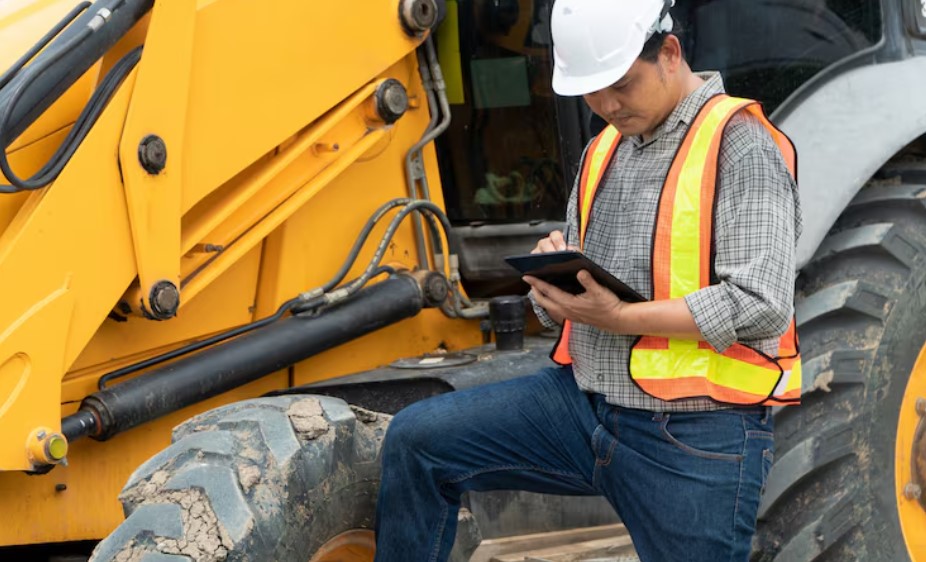
Proper financial planning is essential for construction projects, as equipment can account for a significant portion of the overall budget. Excavators, loaders, compactors, and other heavy machines may be essential for completing work efficiently, but purchasing every piece of equipment needed for a project is not always financially practical. Contractors increasingly look for flexible ways to access machinery while keeping capital available for labor, materials, transportation, and other operational expenses.
Construction equipment rental provides an alternative that allows businesses to obtain machinery according to actual project requirements. Rather than committing significant funds to equipment that may not be needed throughout the year, contractors can select machines for specific jobs and rental periods. This approach can make project costs easier to control while giving construction teams greater flexibility.
Reducing The Initial Financial Commitment
Buying heavy construction machinery typically requires a considerable upfront investment. Even when equipment is financed, businesses must account for deposits, financing costs, insurance, and ongoing payments. These commitments can place additional pressure on cash flow, particularly for smaller contractors or companies handling several projects simultaneously.
Rental equipment changes the financial structure. Instead of making a long-term investment in a machine, a contractor pays for access during the period when the equipment is actually required. This can preserve working capital for expenses that directly contribute to project completion.
For companies bidding on new contracts, reduced capital commitment can also provide greater flexibility when estimating project costs and allocating available resources.
Matching Equipment Expenses To Individual Projects
Construction work rarely requires exactly the same machinery from one project to another. A site preparation job may require excavators and loaders, while another project could need compaction equipment or specialized machinery for a relatively short period.
Using construction equipment rental allows contractors to align equipment selection more closely with each project’s scope. A machine can be rented when needed rather than purchased based on the possibility that it might be useful on future jobs.
This approach can also make cost tracking more straightforward. Rental expenses can be associated with a particular project, helping managers understand the actual equipment cost involved in completing that job.
Avoiding The Cost Of Idle Machinery
Ownership can become expensive when machinery spends extended periods sitting in a yard. A purchased machine continues to represent invested capital even when it is not generating productive work.
Project schedules, seasonal demand, weather conditions, and changes in workload can all create periods when certain equipment is unnecessary. Contractors with large owned fleets may therefore carry machinery that remains underused for weeks or months.
Rental provides the opportunity to return equipment after its required work is finished. Companies can then obtain another type of machine when project needs change. This creates a more flexible fleet without requiring the business to permanently own every category of equipment it may occasionally need.
Limiting Long-Term Ownership Responsibilities
The purchase price is only one part of the true cost of heavy equipment ownership. Businesses must also consider routine servicing, repairs, storage, transportation, insurance, depreciation, and eventual replacement.
Maintenance expenses can become particularly significant as machinery ages. Unexpected mechanical problems may create both repair bills and project delays.
Renting can reduce some of these long-term ownership responsibilities. Contractors still need to understand the terms of their rental agreement and operate machinery properly, but they do not carry the same multiyear obligations associated with owning an entire fleet.
Supporting More Accurate Project Estimates
Unexpected expenses can quickly affect construction margins. Equipment planning during the estimating stage can help contractors develop more realistic budgets.
When rental requirements are identified before work begins, project managers can estimate the machinery needed, anticipated rental duration, transportation requirements, and related operating expenses. These figures can then be incorporated into the overall project budget.
Accurate planning becomes particularly valuable when specialized machinery is required only during one stage of construction. Instead of absorbing the purchase cost of a rarely used machine, the rental expense can be planned around the period in which it contributes directly to the project.
Creating Greater Flexibility Across Multiple Jobs
Construction companies often manage several sites with different timelines. Owning a limited fleet can create scheduling problems when two projects require the same machine at approximately the same time.
Rental can provide additional capacity during busy periods. Contractors can supplement existing equipment rather than purchasing another machine simply to accommodate temporary demand.
The same flexibility applies when a project changes unexpectedly. Additional excavation, grading, loading, or compaction work may create a need for machinery that was not included in the original fleet plan. Access to rental equipment gives project managers another way to respond without making a permanent purchasing decision.
Looking Beyond The Daily Rental Price
Cost-effective equipment planning requires more than selecting the lowest advertised rental rate. Contractors should consider the machine’s suitability for the work, expected utilization, rental duration, transportation expenses, operating requirements, and potential downtime.
Choosing equipment that closely matches the task can improve productivity and prevent businesses from paying for capacity they do not need. Clear project scheduling can also reduce unnecessary rental days.
The objective is not simply to spend less on machinery. It is to ensure that each equipment expense contributes meaningful value to the project.
A More Adaptable Approach To Equipment Costs
Construction businesses operate in an environment where workloads, project requirements, and schedules can change quickly. Maintaining financial flexibility can therefore be just as important as maintaining access to capable machinery.
Construction equipment rental gives contractors the ability to obtain equipment according to current demand while reducing the capital and long-term responsibilities associated with ownership. When supported by careful scheduling and equipment selection, renting can turn heavy machinery from a major fixed investment into a more manageable project-based expense.
For contractors focused on controlling costs without limiting job site capabilities, that flexibility can make equipment rental an increasingly practical part of project planning.
