
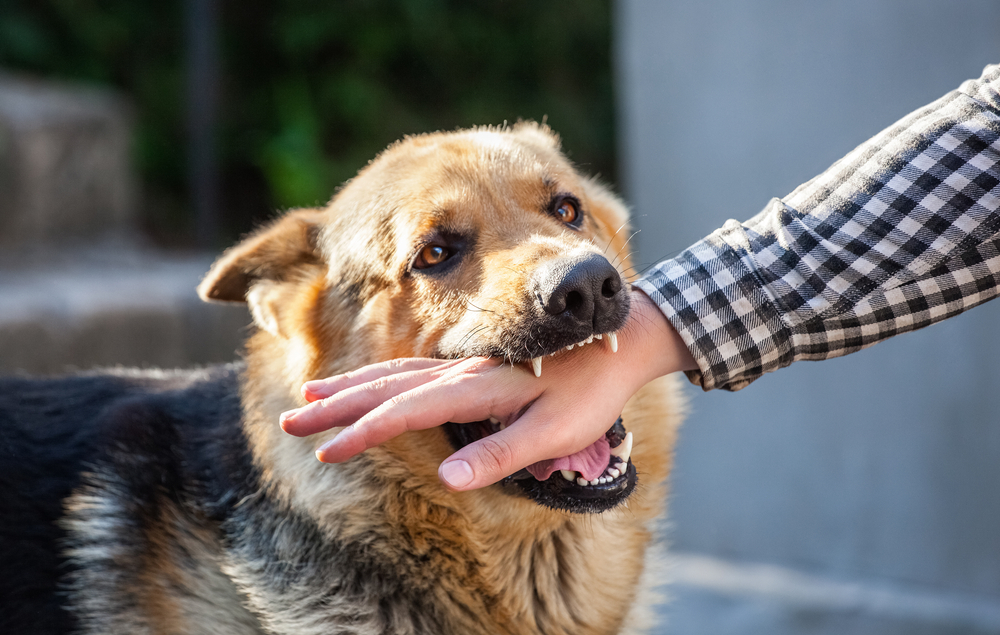
A dog bite can happen within seconds, but the consequences may continue for weeks, months, or even longer. Beyond the immediate pain, victims may face medical treatment, scarring, emotional distress, missed work, and unexpected expenses. When another person’s dog causes an injury, pursuing compensation may be an option depending on the circumstances and applicable state law.
However, what a victim does after the incident can significantly affect an injury claim. Speaking with an attorney for dog bite cases can help a victim understand potential legal options, but it is also important to recognize common mistakes that may complicate the compensation process.
Delaying Medical Treatment
One of the biggest mistakes is assuming that a dog bite is too minor to require medical attention. Even a relatively small puncture wound can introduce bacteria and potentially lead to infection. Deeper wounds may damage muscles, tendons, nerves, or other tissue.
Prompt medical attention serves two important purposes. First, it allows a healthcare professional to assess and treat the injury. Second, the type and severity of the incident’s damage can be documented in medical records.
Waiting several days before seeking treatment may create questions about the seriousness of the injury or whether later complications were directly connected to the bite.
Failing To Report The Incident
Victims sometimes avoid reporting a dog bite because they know the dog’s owner or do not want to create problems for a neighbor, friend, or relative. While this reaction is understandable, failing to make an appropriate report can make the incident harder to document later.
Depending on the location and circumstances, a dog bite may need to be reported to animal control, law enforcement, or another local authority. An official report can provide useful information about when and where the attack occurred and who was involved.
Reporting may also help authorities determine whether the animal has previously been involved in similar incidents.
Not Collecting Evidence
Evidence can disappear quickly after a dog attack. Wounds begin healing, witnesses become harder to contact, and physical conditions at the location may change.
When possible, victims should photograph their injuries shortly after the incident and continue documenting the healing process. Photos of damaged clothing, the location of the attack, broken fencing, open gates, or other relevant conditions may also be useful.
Contact information for witnesses should be collected as well. Someone who saw the attack may later be able to provide an independent description of what happened.
Giving An Insurance Company Too Much Information
An insurance representative may contact the injured person soon after the incident. Victims should be careful when discussing the event, particularly when they do not yet know the full extent of their injuries.
A casual statement about feeling better or believing an injury is minor could potentially be interpreted differently later. Some injuries also develop complications that are not immediately apparent.
It is generally wise to provide accurate information without speculating about fault, recovery time, or the long-term impact of the injury.
Accepting An Early Settlement Without Understanding Future Costs
An early settlement offer can be tempting when medical bills are accumulating. However, accepting compensation too quickly may become a problem if additional treatment is later required.
Dog bites can sometimes result in ongoing medical needs, including scar treatment, reconstructive procedures, physical therapy, or psychological support. Children and people with visible facial injuries may require particularly careful consideration of potential future treatment.
Before accepting a settlement, victims should understand both their current losses and reasonably anticipated future expenses.
Ignoring Lost Income And Other Financial Losses
Medical expenses are only one part of the financial impact of a dog bite. A victim may miss work because of hospitalization, follow-up appointments, limited mobility, pain, or emotional difficulties.
Keeping records of missed workdays, reduced hours, transportation expenses, prescriptions, medical equipment, and other related costs can help provide a clearer picture of the financial consequences. Without proper documentation, some losses may be difficult to demonstrate during the claims process.
Posting About The Incident On Social Media
Sharing recovery updates online may feel harmless, but social media content can create unnecessary complications. Photos, comments, location information, or descriptions of daily activities could potentially be reviewed during an insurance claim or legal dispute.
A photograph showing someone attending an event, for example, does not necessarily mean that person has recovered. Nevertheless, content can be taken out of context.
Keeping details about the incident, injuries, and compensation claim private is generally a safer approach while the matter remains unresolved.
Assuming Every Dog Bite Claim Works The Same Way
Dog bite laws can differ considerably between jurisdictions. Questions involving owner responsibility, negligence, prior knowledge of aggressive behavior, property status, and comparative fault may affect a claim.
The location of the attack can also matter. An incident occurring on private property may raise different issues from an attack in a public park or on a sidewalk.
Victims should therefore avoid relying entirely on general information or another person’s experience with a dog bite claim.
Losing Track Of Important Deadlines
Personal injury claims are subject to legal filing deadlines. Regardless of the severity of the injuries, waiting too long may restrict or eliminate the capacity to obtain compensation.
Evidence can also become more difficult to obtain as time passes. Witness memories fade, records can become harder to locate, and important details may be forgotten. Taking action early provides more time to gather documentation and understand the available options.
Conclusion
Pursuing compensation after a dog bite involves more than simply showing that an injury occurred. Medical documentation, photographs, witness information, financial records, communication with insurers, and applicable liability rules can all influence the outcome.
Avoiding common mistakes can help victims protect their interests while focusing on recovery. Seeking timely medical care, preserving evidence, documenting financial losses, being cautious with insurance communications, and paying attention to legal deadlines can create a clearer and better supported path through the compensation process.
