
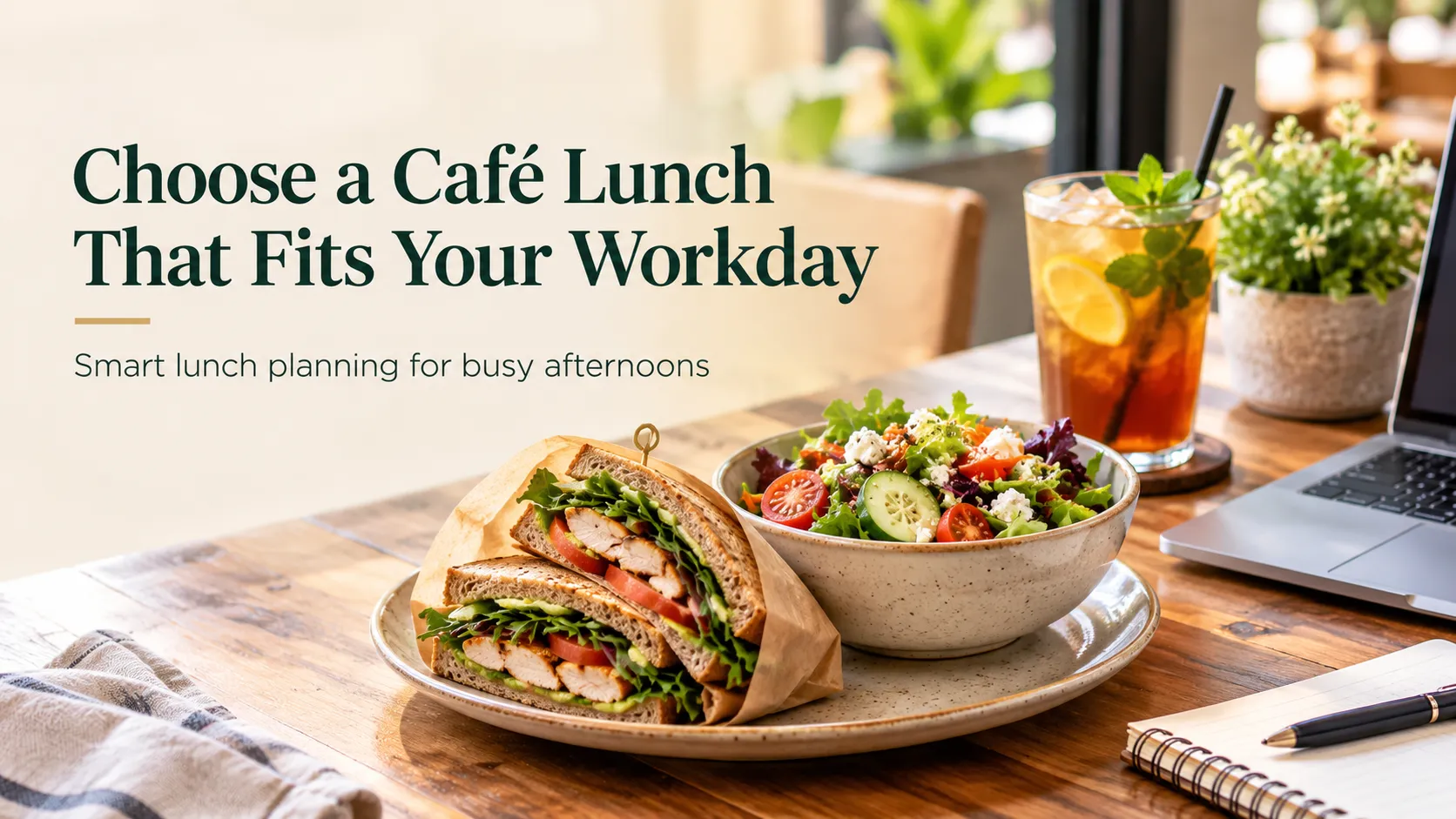
Lunch can be surprisingly difficult to plan when the day is already full. You might have a short break between meetings, errands to finish, or a long afternoon ahead with little time to think about food. A little preparation can help you find something convenient without making every lunch feel like a rushed decision. Looking through an independent guide to Panera’s menu is one way to explore the possibilities before deciding what to order.
If you are considering a café meal, it helps to compare the available lunch dishes and their listed prices before heading out. This gives you a starting point for planning your order and budget. Check with the restaurant for current prices, ingredients, and availability at your chosen location.
Start With Where You Will Eat
The place where you plan to eat can influence which lunch makes the most sense.
If you have a proper break room or somewhere to sit, you have more flexibility. You can choose a meal that needs a fork, comes with several components, or is best enjoyed straight after preparation.
If you will be eating between appointments, travelling, or returning to work quickly, convenience becomes more important. A sandwich or another easy-to-handle option may be more practical than a meal that requires extra preparation.
Think about packaging, utensils, and how long the food will need to travel. These details may seem minor when placing an order, but they can make a real difference once lunchtime arrives.
Choose a Main Dish That Suits Your Day
There is no single lunch that works for every situation. Sandwiches, salads, and soups each have their own advantages, depending on your preferences and available time.
Sandwiches for Convenience
Sandwiches are a familiar option for a reason. They are generally straightforward to order and can be easier to eat during a short break.
When choosing one, consider the bread, fillings, sauces, and portion size. If you are taking lunch away from the café, think about how well the sandwich will hold up during the journey. Some fillings and sauces can make bread softer over time, so eating sooner may give you a better experience.
A sandwich can also be a useful choice when you want to keep ordering simple rather than combining several different dishes.
Salads When You Want More Variety
Salads can offer a mix of greens, vegetables, grains, proteins, and toppings. The combinations vary, so read the description carefully before choosing.
If you plan to take a salad back to the office, check whether the dressing is packaged separately or whether you can request it on the side. Keeping it separate until lunchtime can help preserve the texture of the ingredients.
Also consider toppings such as croutons, nuts, cheese, and sauces if you have particular preferences or dietary restrictions.
Soup for a Sit-Down Break
Soup can be a welcome choice when you want a warm lunch, especially during colder weather. Depending on the café’s offerings, you may be able to pair it with bread or another item.
However, soup is not always the easiest meal to carry around. If you are ordering takeaway, check that the packaging is suitable for transport and that you have a convenient place to eat it.
When you have time to sit down, soup can be a straightforward option. When you are moving between appointments, another dish may be easier to manage.
Avoid Spending More Than You Planned
One of the easiest ways to overspend at lunch is to order extras without thinking about the complete cost.
A main dish, drink, side, and dessert can add up quickly. Before ordering, decide what you actually want and compare the total price rather than looking only at the main item.
Meal combinations can sometimes offer value, but only if you will use the items included. There is little benefit in paying for an extra side that you do not want simply because the package appears to be a better deal.
If you buy lunch regularly, a simple weekly budget can help you make consistent choices. You do not need to select the cheapest meal every time; the aim is to spend deliberately rather than being surprised by the total.
Plan Ahead When Ordering for Coworkers
Group lunches create a different set of challenges. Everyone may want something different, and dietary requirements can make a single order more complicated.
Start by collecting everyone’s choices before placing the order. Confirm quantities, note any special requests, and check the restaurant’s available options.
If the food is for a meeting, individually packaged meals may make distribution easier. Boxed lunches can be worth considering because they may group a main dish and other items together, depending on the current offering.
Before ordering, confirm what each package contains, whether substitutions are possible, and whether drinks or utensils are included. Do not assume every combination will be available at every location.
It is also useful to agree on a budget beforehand. This avoids confusion when individual preferences begin adding extras to the order.
Keep Dietary Needs in Mind
Convenience should not come at the expense of knowing what you are eating. Read ingredient descriptions and ask questions if something is unclear.
For example, a salad may contain a dressing or topping you would prefer to avoid. A sandwich may include a sauce that changes its ingredients. Checking before ordering is easier than discovering a problem after the meal arrives.
If you have a food allergy, contact the restaurant to verify ingredients and cross-contact procedures. Online menu descriptions may not provide all the information you need.
Make Lunch One Less Thing to Worry About
A smoother lunch routine starts with a few simple decisions. Think about where you will eat, how much time you have, and what kind of meal suits your appetite. Then check the price and make sure the order fits your plans.
You might prefer a sandwich on a day full of meetings, a salad when you have time to sit down, or soup when you want something warm. Having a few options in mind makes it easier to adapt without overthinking the decision.
Lunch does not need to be elaborate to be enjoyable. With a little planning, you can choose food that suits your day, manage your spending, and get back to work without adding unnecessary stress to your schedule.
