
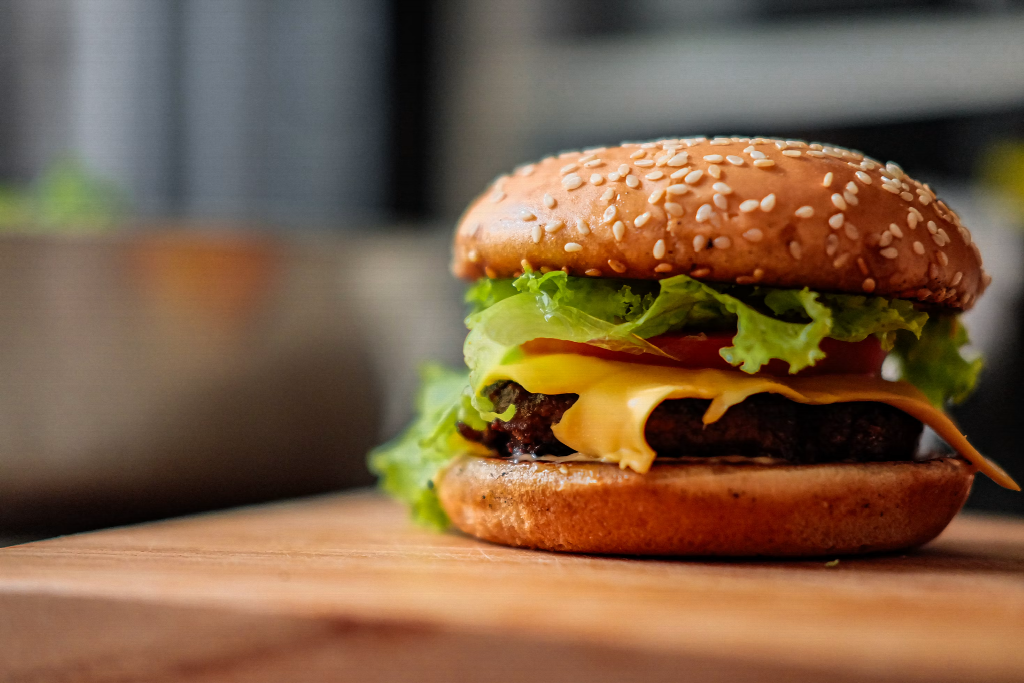
Hilton Head Island has long been known for its pristine beaches and championship golf courses, but the South Carolina destination has quietly developed a culinary reputation that extends far beyond resort dining rooms. The island’s food scene has matured considerably over the past decade, with a new generation of restaurants embracing both regional traditions and contemporary techniques. Among the most notable developments: the emergence of gourmet burger culture, anchored by an unlikely revival of beef tallow as a premium cooking fat.
The Tallow Smash Burger represents a convergence of old and new—a cooking method that would have been familiar to mid-century diners, executed with the precision and ingredient sourcing that defines modern American dining. Beef tallow, rendered from high-quality beef fat, fell out of favor during the low-fat dietary trends of recent decades. Its return signals a broader shift in how chefs and diners think about fat, flavor, and the science of what makes food satisfying.
Why Beef Tallow Changes Everything
The difference between a burger cooked in beef tallow and one cooked in vegetable oil is immediately apparent. Tallow’s high smoke point—around 400°F—allows for aggressive searing without burning, creating the kind of crust that defines a proper smash burger. But the real distinction is flavor. Beef tallow contains a complex profile of fatty acids that contribute umami depth and enhance the perception of meatiness in ways that neutral oils simply cannot replicate.
The technique itself is deceptively simple: a ball of ground beef is pressed hard against a screaming-hot griddle, creating maximum surface contact and triggering the Maillard reaction that produces those crispy, caramelized edges. When that griddle has been seasoned with beef tallow, the result is a burger with layers of beefy flavor that vegetable oils can’t match.
Key characteristics that set tallow-cooked burgers apart:
- Enhanced browning: The fatty acid composition promotes superior crust development and color.
- Moisture retention: Tallow’s melting point helps seal in juices during the high-heat cooking process.
- Flavor amplification: Natural beef compounds in the tallow reinforce and deepen the burger’s inherent taste.
- Textural contrast: The combination of crispy exterior and tender interior becomes more pronounced.
To learn more about beef tallow, refer to this detailed resource.
The Tallow Renaissance in American Kitchens
Beef tallow’s rehabilitation in professional kitchens didn’t happen overnight. For years, it was dismissed as an artery-clogging relic of less health-conscious times. But as nutritional science has evolved, so has the understanding of dietary fats. Harvard Medical School notes that not all saturated fats behave identically in the body, and that context—including overall diet quality and preparation methods—matters considerably.
Chefs began revisiting tallow not primarily for health reasons, but because it simply makes food taste better. The fat carries flavor compounds that lighter oils don’t, and it performs exceptionally well at the high temperatures required for proper searing and frying. What started as a niche movement in high-end steakhouses has spread to burger specialists, fried chicken operations, and even home kitchens where cooks are rendering their own tallow from local butchers.
The practical advantages extend beyond flavor:
- Stability: Tallow resists oxidation better than many vegetable oils, making it suitable for repeated high-heat cooking.
- Sustainability: Using rendered beef fat represents whole-animal utilization, reducing waste in meat processing.
- Versatility: Beyond burgers, tallow excels for roasting vegetables, frying potatoes, and even baking.
- Shelf life: Properly rendered and stored tallow remains stable for months without refrigeration.
Finding Tallow-Forward Dining in Hilton Head
As beef tallow cooking gains traction nationally, Hilton Head has seen several establishments incorporate it into their operations. Diners looking for a burger on the island can try Tin & Tallow, Hudson’s Seafood House, or The Salty Dog Cafe, each of which has its own take on casual dining.
For visitors trying to navigate the island’s dining scene, several approaches can help identify restaurants working with quality fats and serious burger craft:
- Menu language: Restaurants proud of their tallow usage typically mention it explicitly, along with beef sourcing details.
- Kitchen visibility: Open kitchens or griddles visible from dining areas often signal a commitment to technique.
- Beverage programs: Establishments with curated craft beer or wine lists tend to apply similar care to food preparation.
- Local reputation: Year-round residents often have different favorites than tourists; hotel concierges can be valuable resources.
Beyond Burgers: Hilton Head’s Broader Food Culture
While gourmet burgers have captured attention, Hilton Head’s culinary landscape offers considerably more depth. The island’s breakfast scene alone deserves exploration, with establishments ranging from old-school diners serving shrimp and grits to modern cafes focused on locally sourced ingredients and creative preparations. The proximity to coastal waters means seafood appears on most menus, often prepared with Lowcountry techniques that reflect the region’s Gullah Geechee heritage.
The lunch category has become particularly competitive, with restaurants recognizing that midday diners want quality without the time commitment of a full dinner service. This has created opportunities for focused concepts—burger specialists, sandwich shops, seafood counters—that can execute a limited menu at a high level.
The Gourmet Burger Movement
The elevation of the hamburger from fast-food staple to culinary canvas represents one of the more interesting developments in American dining over the past two decades. What began with a few pioneering restaurants in major cities has become a nationwide phenomenon, with chefs applying the same sourcing standards and technical precision to burgers that they would to any other dish.
This movement is characterized by several key principles:
- Beef quality and sourcing: Grass-fed, dry-aged, or specific breed cattle rather than commodity ground beef.
- Fat ratio precision: Typically 80/20 or even 70/30 lean-to-fat ratios for maximum flavor and juiciness.
- Grind specifications: Coarse grinds that preserve texture, often done in-house.
- Cooking technique: Proper searing temperatures, timing, and resting protocols.
- Component quality: House-made condiments, quality cheese, fresh produce, and carefully selected buns.
The smash burger technique specifically has gained prominence because it maximizes the Maillard reaction—the chemical process that creates complex flavors through browning. By pressing the meat thin against a very hot surface, cooks create more surface area for crust development while keeping the interior juicy. When executed properly, the result is a burger with textural and flavor complexity that thick-patty burgers struggle to match.
Pairing Craft Beer with Beef Tallow Burgers
The richness of a tallow-cooked burger presents both opportunities and challenges for beverage pairing. The goal is to find beers that either complement the burger’s intensity or provide contrast that refreshes the palate between bites. The fatty richness requires consideration—too light a beer disappears, too heavy and the combination becomes cloying.
Effective pairing strategies:
- West Coast IPA: Aggressive hop bitterness cuts through fat while citrus notes provide brightness; the higher alcohol content stands up to bold flavors.
- Dry stout: Roasted malt character echoes the burger’s caramelized crust; creamy texture matches the richness without adding sweetness.
- German pilsner: Crisp, clean profile with enough bitterness to cleanse the palate; carbonation helps cut through fat.
- Brown ale: Nutty, toasted flavors complement beef without overwhelming; moderate body provides balance.
- Saison: Peppery yeast character and high carbonation offer contrast; fruity esters add complexity.
The key is matching intensity levels while considering how carbonation, bitterness, and flavor compounds interact with fat and protein. Regional craft breweries often produce beers specifically designed to pair with local food, making them worth exploring.
Hilton Head Lunch: A Competitive Landscape
The island’s lunch scene has evolved considerably as the year-round population has grown and dining expectations have risen. What was once dominated by resort restaurants and casual chains now includes a diverse mix of independent operations, many run by chefs with fine-dining backgrounds who’ve chosen to focus on more casual formats.
This shift reflects broader trends in American dining, where the line between “casual” and “serious” has blurred. Diners increasingly expect quality ingredients and skilled preparation regardless of setting or price point. A gourmet burger served in a relaxed environment can be just as satisfying—and just as carefully crafted—as a more formal meal.
The best lunch destinations share certain characteristics:
- Focused menus: Doing a few things exceptionally well rather than offering extensive options
- Ingredient transparency: Clear sourcing information and preparation details
- Efficient service: Respecting that lunch diners often have time constraints
- Value proposition: Quality that justifies pricing without requiring fine-dining budgets
For visitors, lunch represents an opportunity to experience Hilton Head’s food culture without the commitment of a full dinner. Whether that means a carefully crafted burger, fresh seafood, or regional specialties, the island’s midday dining options now rival those of much larger cities.
