
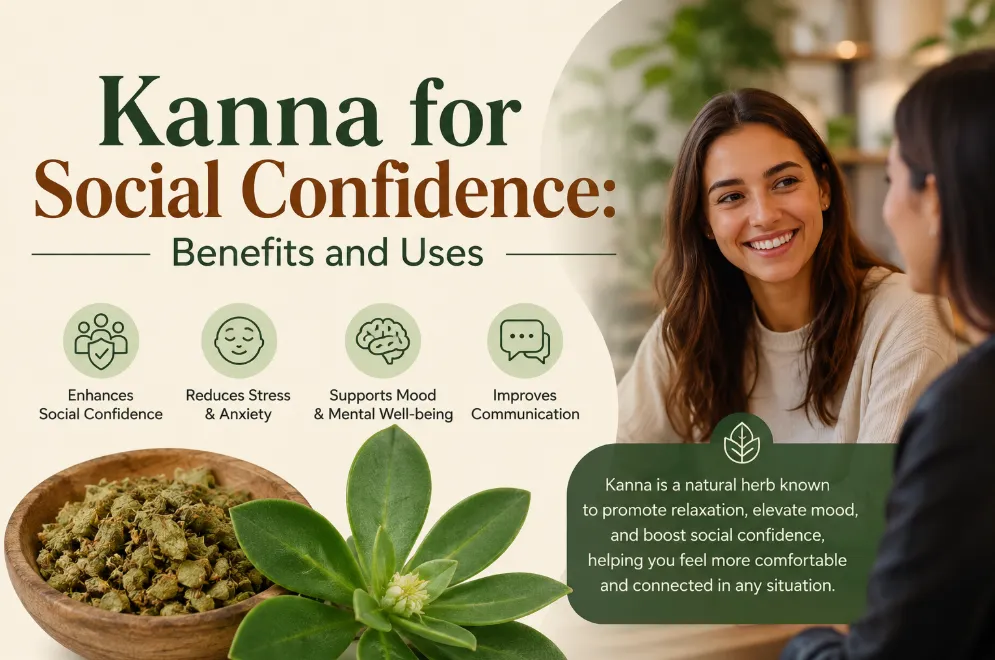
For many people, social situations can be both exciting and challenging. Whether it’s attending a networking event, speaking in front of a group, meeting new people, or participating in social gatherings, confidence plays a major role in how comfortable and engaged we feel.
As interest in natural wellness solutions continues to grow, many consumers are exploring botanical supplements that may help support emotional balance and overall well-being. One botanical that has attracted increasing attention is Kanna, a traditional South African plant with a long history of use related to mood, relaxation, and social interaction.
Today, companies such as MyZen Organix are helping introduce modern Kanna products to consumers interested in plant-based wellness options. But can Kanna actually support social confidence, and what does the research say?
In this guide, we’ll explore Kanna’s history, active compounds, potential benefits for social situations, and how it may fit into a broader wellness routine.
What Is Kanna?
Kanna (Sceletium tortuosum) is a succulent plant native to South Africa.
For centuries, indigenous Khoikhoi and San communities traditionally used Kanna for purposes related to:
-
Emotional well-being
-
Social interaction
-
Relaxation
-
Stress management
-
Resilience during challenging conditions
Historically, Kanna was often:
-
Chewed
-
Fermented
-
Brewed into teas
-
Used during community gatherings
Its long-standing association with social settings is one reason it has become a topic of interest among modern wellness consumers.
Why Is Kanna Associated With Social Confidence?
One of the most commonly discussed traditional uses of Kanna involves promoting a sense of comfort during social interactions.
While modern research is still developing, scientists believe Kanna’s active compounds may influence pathways involved in emotional processing and stress responses.
Researchers have identified several naturally occurring alkaloids within Kanna, including:
-
Mesembrine
-
Mesembrenone
-
Mesembrenol
-
Tortuosamine
These compounds are believed to interact with serotonin-related pathways and other neurological systems associated with mood and emotional well-being.
Because emotional balance can play an important role in social confidence, Kanna has attracted increasing interest in this area.
How Kanna Works
Serotonin-Related Activity
One of Kanna’s most studied mechanisms involves serotonin transporter activity.
Serotonin is a neurotransmitter involved in:
-
Mood regulation
-
Emotional balance
-
Social behavior
-
Stress response
Research suggests that Kanna alkaloids such as mesembrine may influence serotonin-related pathways, helping explain why the plant has traditionally been associated with positive social experiences.
PDE4 Activity
Scientists have also investigated Kanna’s effects on phosphodiesterase-4 (PDE4), an enzyme involved in cellular communication and neurological signaling.
This unique combination of mechanisms makes Kanna different from many other botanical ingredients.
The Connection Between Stress and Social Confidence
Social confidence is often influenced by emotional and psychological factors.
Common challenges include:
-
Nervousness before social events
-
Difficulty starting conversations
-
Fear of judgment
-
Public speaking discomfort
-
Social tension
When stress levels rise, social interactions may become more difficult.
Because Kanna has traditionally been used in contexts associated with emotional balance and relaxation, many consumers are interested in its potential role in supporting social comfort.
Potential Benefits of Kanna for Social Confidence
1. Supports Emotional Well-Being
One of Kanna’s most recognized traditional uses involves promoting emotional wellness.
Feeling emotionally balanced may contribute to greater comfort in social situations.
2. May Help Manage Everyday Social Stress
Many social challenges stem from everyday stress and nervousness.
Research exploring Kanna’s influence on emotional processing and stress responses has contributed to growing interest in its potential wellness applications.
3. Promotes Relaxation
Kanna is often associated with calmness and relaxation without heavy sedation.
This may be particularly appealing for individuals who want to remain alert and engaged during social interactions.
4. Long History of Traditional Social Use
Unlike many modern supplements, Kanna has centuries of traditional use connected to community gatherings and social activities.
This historical association continues to influence modern consumer interest.
5. Supports a Positive Outlook
Mood and social confidence are often closely connected.
Because Kanna is frequently discussed in relation to emotional well-being, many consumers include it in wellness routines focused on maintaining a positive mindset.
What Research Says
Although research specifically examining “social confidence” remains limited, several studies have investigated Kanna’s broader effects on mood, emotional processing, and stress responses.
Brain Imaging Studies
Researchers have found that standardized Kanna extracts may influence activity in brain regions involved in:
-
Emotional responses
-
Stress processing
-
Fear-related signaling
These findings have generated significant interest among scientists studying emotional wellness.
Mood and Emotional Processing
Clinical studies have explored Kanna’s effects on emotional regulation and psychological well-being.
While larger studies are still needed, existing research has provided encouraging results that support continued investigation.
Who Might Be Interested in Kanna?
Kanna is commonly explored by individuals who:
Attend Social Events
Those looking to feel more comfortable in group settings.
Network Professionally
Professionals who regularly engage in meetings, presentations, and networking opportunities.
Public Speakers
Individuals seeking emotional balance before speaking engagements.
Wellness Enthusiasts
Consumers interested in natural botanical products that support overall well-being.
Kanna Gummies for Social Confidence
Among modern product formats, gummies have become particularly popular.
Benefits of Kanna Gummies
-
Convenient
-
Easy to use
-
Pre-measured servings
-
Travel-friendly
-
Pleasant taste
Many consumers prefer gummies because they fit easily into daily wellness routines.
How to Choose a Quality Kanna Product
When selecting Kanna supplements, look for:
Standardized Extracts
Products that clearly identify active alkaloid content.
Transparent Labeling
Clear information regarding:
-
Ingredients
-
Serving sizes
-
Extract concentrations
Third-Party Testing
Independent testing helps verify quality and consistency.
Reputable Manufacturers
Choose brands committed to transparency and quality control.
Is Kanna Safe?
Current research suggests that standardized Kanna extracts are generally well tolerated in healthy adults when used responsibly.
Some users may occasionally experience:
-
Mild headache
-
Dizziness
-
Digestive discomfort
As with any supplement, individuals should consult a healthcare professional before use, particularly if they are taking medications or have underlying health conditions.
Frequently Asked Questions
Does Kanna Help With Social Confidence?
Kanna has traditionally been associated with social interaction, emotional well-being, and relaxation, which may contribute to greater comfort in social settings.
How Does Kanna Work?
Researchers believe Kanna’s active alkaloids influence serotonin-related pathways and other neurological systems involved in emotional processing.
Is Kanna Sedating?
Kanna is often described as promoting relaxation without causing heavy sedation.
What Is the Best Form of Kanna?
Popular options include:
-
Gummies
-
Capsules
-
Extracts
-
Powders
The best format depends on individual preferences and lifestyle.
Can Beginners Use Kanna?
Many Kanna products are designed for beginners, though consumers should always follow product directions and recommended serving guidelines.
Final Thoughts
Kanna’s long history of traditional use and growing body of scientific research have helped establish it as one of the most intriguing botanical ingredients in the wellness industry. While research specifically focused on social confidence is still emerging, Kanna’s association with emotional well-being, relaxation, and social interaction continues to attract attention from consumers seeking natural wellness solutions.
By potentially supporting emotional balance and helping individuals feel more at ease in everyday situations, Kanna may play a valuable role in wellness routines focused on confidence, comfort, and positive social experiences. As research continues to evolve, we will likely gain even deeper insights into how this unique South African botanical can support modern emotional wellness and social well-being.
