
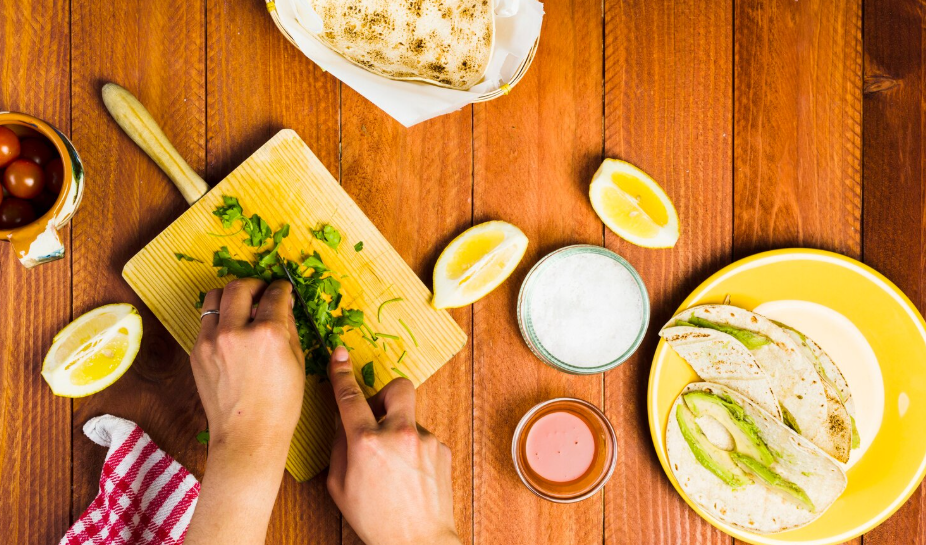
Mexican tacos look simple, and that is exactly why people love them. A warm tortilla, a spoonful of juicy filling, a bit of onion and cilantro, a squeeze of lime. Yet anyone who has eaten a really good taco knows that small details make a big difference. The tortilla, the way the meat is cooked, and the salsa on top all change the final bite.
This guide breaks a taco into its parts. You will learn how to choose and warm tortillas, how tacos differ across Mexico, how to match salsas to fillings, and how to plan a taco night for a group without stress.
Start With the Tortilla
The tortilla is not just a holder. It is half of the taco, and a good one changes everything.
Corn tortillas are the traditional choice for most tacos. They are made from masa, a dough of corn that has been cooked and soaked in water with a little lime (the mineral, not the fruit). This old process, called nixtamalization, gives corn tortillas their deep, earthy flavor and soft chew.
Flour tortillas are common in northern Mexico and are especially popular with grilled beef. They are larger, softer and a little stretchy, and they work well with fillings that are juicy and rich.
No matter which one you choose, always warm the tortilla before you fill it. A cold tortilla can crack and tastes flat. The easiest way is to heat it in a dry skillet over medium heat for 20 to 30 seconds per side, until it is soft and has a few light brown spots. Stack the warm tortillas in a clean kitchen towel to keep them soft until you are ready to serve.
If you are making street-style tacos with juicy fillings, try using two small corn tortillas stacked together. This is common at taco stands in Mexico, because the double layer keeps the taco from falling apart.
Five Regional Tacos Worth Knowing
There is no single “Mexican taco.” Each region has its own style, shaped by local ingredients and history. Here are five that show how different tacos can be.
Tacos al pastor (Mexico City). Thin slices of marinated pork are cooked on a vertical spit and served with pineapple, onion and cilantro. The style is often traced to Lebanese immigrants who brought the idea of meat roasted on a spit to Mexico. The marinade uses dried chilies and achiote, which gives the pork its red color.
Baja fish tacos (Baja California). Crispy fried fish is tucked into a tortilla with shredded cabbage, a creamy sauce and a squeeze of lime. The cool, crunchy toppings balance the hot, crisp fish.
Cochinita pibil tacos (Yucatán). Pork is marinated in achiote and sour orange juice, then cooked slowly until it falls apart. It is usually served with pickled red onions and sometimes a very hot habanero salsa.
Birria tacos (Jalisco). Birria is a rich, slow-cooked stew of meat and chilies. In many places, the tortillas are dipped in the cooking broth and then crisped on a hot griddle, and the tacos are served with a small cup of broth for dipping.
Carne asada tacos (northern Mexico). Beef is grilled over high heat, chopped into small pieces and served on warm tortillas, often flour. The smoky flavor of the grill is the star.
If you want a longer list of favorites, this guide to popular Mexican taco styles is a good next step.
The Salsa Ladder: From Mild to Hot
Salsa is where a taco gets its personality. A good rule is to match the salsa to the filling, so that neither one overpowers the other.
| Salsa | Heat | Goes well with |
|---|---|---|
| Pico de gallo | Mild | Grilled chicken, carne asada, fish |
| Salsa verde | Mild to medium | Pork, chicken, cochinita pibil |
| Salsa roja | Medium | Beef, birria, carnitas |
| Chile de árbol salsa | Hot | Carne asada, al pastor |
| Habanero salsa | Very hot | Cochinita pibil, pork |
Try setting out two or three salsas and let everyone choose. Always taste a new salsa on a small bite first, because heat can vary a lot from batch to batch, even with the same recipe.
Keep the Toppings Simple
A great taco does not need a pile of toppings. For most traditional tacos, these four are enough:
- Finely chopped white onion for a sharp, clean crunch
- Fresh cilantro for a bright, herby flavor
- Lime wedges for acid, which makes all the other flavors pop
- A spoonful of salsa for heat and moisture
Beyond that, small extras can work in the right place. Sliced radishes add crunch, pickled onions add tang, and a little crumbled cheese adds salt. But if you cannot taste the filling anymore, you have used too much.
How to Eat a Taco the Right Way
There is no strict rule, but a few habits will make your tacos taste better.
- Eat with your hands. Tacos are made to be handheld.
- Eat them soon after they are made. A warm tortilla and hot filling are at their best in the first few minutes.
- Add lime just before the first bite. The juice brightens the filling, but it can make the tortilla soggy if it sits too long.
- Do not overfill. A taco that is too full falls apart. Two or three spoonfuls of filling is usually enough.
- Order a few kinds. Small tacos are meant to be eaten in a series, so try two or three different fillings in one meal.
Plan a Taco Night for Six People
Tacos are one of the easiest meals to serve a group, because everyone builds their own. Here is a simple plan with amounts.
Shopping list
- 18 to 24 small corn tortillas (3 to 4 per person)
- 2 lb (900 g) raw meat, such as steak, chicken thighs or pork shoulder
- 1 large white onion, finely chopped
- 1 bunch of fresh cilantro, chopped
- 6 limes, cut into wedges
- 2 cups of salsa (one mild, one hot)
- 2 ripe avocados or 1 cup of guacamole
- Optional: sliced radishes, crumbled cheese, pickled onions
Simple timeline
- Earlier in the day: Season or marinate the meat. Chop the onion and cilantro, and cut the limes. Make or buy the salsas.
- 30 minutes before serving: Cook the meat. Grilled steak, pan-seared chicken and slow-cooked pork all work well. Let grilled meat rest for 5 minutes before slicing.
- 10 minutes before serving: Warm the tortillas in batches and wrap them in a towel. Set out the toppings in small bowls.
- At the table: Serve everything hot and let people build their own tacos.
Common Taco Mistakes to Avoid
- Using cold tortillas. They crack and taste dull. Always warm them.
- Cooking the meat in a crowded pan. The meat steams and turns gray. Cook in batches over high heat.
- Cutting meat too large. Small, thin pieces are easier to eat and cook faster.
- Skipping the salt. Under-seasoned meat is the most common reason tacos taste bland.
- Piling on toppings. Too many toppings hide the filling and make the taco hard to hold.
- Letting tacos sit. Serve them right away for the best texture.
Final Thoughts
A great taco is all about balance. A warm tortilla, a well-seasoned filling, a fresh topping and a good salsa each play a part, and none of them needs to be complicated. Start with simple ingredients, pay attention to the small details, and try a few regional styles. Once you understand the basics, you can build tacos for any meal and any crowd.
About the author: The writer behind Mexico Flavour, a food site about authentic Mexican recipes, flavors and food culture.
