
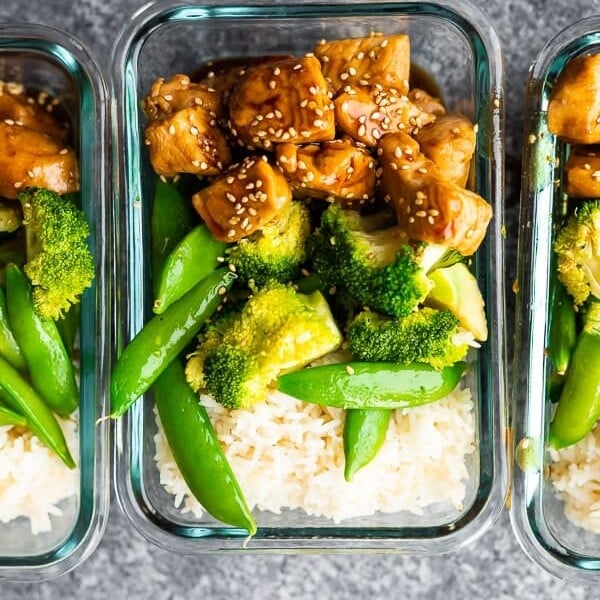
Busy weekdays often make it tempting to rely on takeout or packaged meals, especially when lunch needs to be ready in a hurry. One simple way to make homemade meals easier is to prepare flavorful sauces in advance. A good sauce can turn basic vegetables, cooked grains, noodles, tofu, chicken, or seafood into a satisfying meal without requiring much extra preparation.
Homemade sauces are especially useful for meal prep because they can be mixed ahead of time and stored in the refrigerator until needed. Instead of cooking an entirely different recipe every day, you can prepare one or two versatile sauces and use them in several ways throughout the week. This keeps meals interesting while reducing the amount of cooking required.
A homemade stir fry sauce can also give you more control over the ingredients. Many store-bought sauces contain significant amounts of added sugar or sodium, while making your own allows you to adjust the sweetness, saltiness, acidity, and spice level. Simple ingredients such as low-sodium soy sauce, fresh ginger, garlic, rice vinegar, sesame oil, citrus juice, and a small amount of honey can create plenty of flavor without making the sauce overly heavy.
Why Make Stir-Fry Sauces Ahead?
Preparing sauce in advance is one of the easiest meal-prep shortcuts. Most sauces take only a few minutes to mix, and you can make enough for several meals at once.
Having a prepared sauce in the refrigerator means you can quickly cook whatever ingredients you have available. A handful of vegetables can become a complete lunch when combined with rice and sauce. Leftover chicken can be reheated with sauce and vegetables, while tofu or shrimp can be turned into a completely different meal with the same base.
For most meal-prep recipes, preparing about ½ to ¾ cup of sauce is a useful starting point. This provides enough for several individual servings without requiring a large storage container.
1. Simple Ginger-Garlic Sauce
This is an excellent everyday sauce because it works with almost anything. It has a savory base with fresh ginger and garlic providing plenty of flavor.
Ingredients
● ¼ cup low-sodium soy sauce
● 2 tablespoons rice vinegar
● 1 tablespoon honey or maple syrup
● 1 tablespoon sesame oil
● 1 teaspoon grated fresh ginger
● 1 small garlic clove, finely minced
● 2 tablespoons water
How to Make It
Whisk everything together in a small bowl or jar. Taste and adjust as needed. Add a little more vinegar for brightness or a small amount of honey if you prefer a sweeter flavor.
Use it with broccoli, bell peppers, carrots, snap peas, mushrooms, chicken, tofu, or rice. For a quick lunch, sauté vegetables and your preferred protein, then add a few tablespoons of sauce near the end of cooking.
2. Light Citrus-Soy Sauce
A citrus-based sauce is ideal when you want something fresh rather than heavy. Lemon or lime juice adds acidity that works particularly well with vegetables and seafood.
Ingredients
● ¼ cup low-sodium soy sauce
● 2 tablespoons fresh lime or lemon juice
● 1 tablespoon honey
● 1 teaspoon grated ginger
● 1 teaspoon sesame oil
● 1 small garlic clove, minced
● 1 tablespoon water
Mix all the ingredients thoroughly. Store in a sealed jar and shake before using.
This sauce pairs beautifully with shrimp, salmon, chicken, tofu, cabbage, broccoli, and green beans. You can also drizzle it over cooked rice or use a small amount to season cold noodles for a quick lunch.
3. Spicy Sesame Sauce
For anyone who enjoys a little heat, a spicy sesame sauce can make simple meal-prep ingredients much more exciting.
Ingredients
● ¼ cup low-sodium soy sauce
● 1 tablespoon rice vinegar
● 1 tablespoon sesame oil
● 1 teaspoon honey
● 1 teaspoon chili garlic sauce
● 1 teaspoon grated ginger
● 1 tablespoon water
Combine the ingredients and taste before adding more chili sauce. The heat can become stronger as the sauce sits, so it is better to start with a modest amount.
Try this sauce with noodles, tofu, chicken, shredded cabbage, carrots, mushrooms, or roasted vegetables. It can also be used as a finishing sauce for rice bowls.
4. Quick Teriyaki-Inspired Sauce
A homemade teriyaki-style sauce can provide that familiar sweet and savory flavor while allowing you to control the amount of sugar.
Ingredients
● ¼ cup low-sodium soy sauce
● 2 tablespoons water
● 1 tablespoon honey or maple syrup
● 1 tablespoon rice vinegar
● 1 teaspoon grated ginger
● 1 minced garlic clove
● 1 teaspoon cornstarch
Whisk the ingredients together in a small saucepan. Heat gently while stirring until the sauce thickens. Let it cool before storing.
This sauce works particularly well with chicken and vegetables but is also delicious with tofu, shrimp, mushrooms, and rice. For meal prep, keep the sauce separate from the cooked ingredients until reheating so the texture stays fresh.
How Much Sauce Should You Use?
Using too much sauce can make a meal soggy or overpower the other ingredients. A good starting point is about 2 to 3 tablespoons of sauce per individual serving.
For a larger batch of vegetables and protein, begin with a smaller amount and add more gradually. This makes it easier to control the flavor.
If you’re serving sauce with noodles or rice, you may want slightly more because grains and noodles absorb liquid. For vegetables or seafood, a lighter coating is often enough.
Storage Tips for Homemade Sauces
Proper storage helps homemade sauces stay fresh and convenient throughout the week.
Keep sauces in clean, airtight glass jars or food-safe containers. Label each container with the sauce name and preparation date so you know what you have available.
Most homemade sauces containing fresh ingredients are best used within several days when refrigerated. If a sauce contains fresh garlic, ginger, citrus juice, or other perishable ingredients, keep it chilled and use good food-safety practices. When in doubt, discard anything that develops an unusual smell, appearance, or texture.
For convenience, divide a larger batch into smaller portions. Small jars or containers make it easier to grab exactly what you need without repeatedly opening one large container.
Build Different Meals With the Same Sauce
One of the biggest advantages of meal-prep sauces is their versatility. You don’t need a different sauce for every meal.
For example, the ginger-garlic sauce can be used with chicken and broccoli on Monday, tofu and mushrooms on Tuesday, and shrimp with snap peas later in the week. The basic sauce remains the same, but the other ingredients change the character of each meal.
You can also switch the carbohydrate. Serve one meal over brown rice, another with quinoa, and another with rice noodles. Even leftover roasted vegetables can become part of a quick lunch when combined with protein and a flavorful sauce.
Easy Vegetable Combinations
Vegetables are especially easy to incorporate into sauce-based meals. Choose a combination of colors and textures for a more satisfying dish.
Broccoli, bell peppers, carrots, onions, cabbage, zucchini, mushrooms, snap peas, and green beans all work well. Frozen vegetables can also be useful when you’re short on time.
For faster meal prep, chop fresh vegetables in advance and store them separately. When lunchtime arrives, you only need to cook the vegetables, add your prepared protein, and finish everything with your sauce.
Protein Options for Quick Lunches
You can rotate proteins throughout the week without changing your basic sauce. Chicken is a dependable choice, while tofu provides a plant-based option that absorbs flavorful sauces particularly well.
Shrimp and other seafood can cook quickly, making them useful for busy lunches. Lean beef can also work with stronger sauces containing ginger, garlic, sesame, or chili.
If you’re meal prepping cooked protein in advance, keep the sauce separate and add it when reheating. This can help prevent the protein from becoming overly soft.
Make Noodles and Rice More Interesting
Sauces don’t have to be limited to traditional stir-fry meals. Toss them with cooked noodles for a fast lunch, or spoon them over rice with vegetables and protein.
Cold noodles can be particularly convenient during warmer weather. Add shredded carrots, cucumber, cabbage, or edamame and finish with a citrus-soy or spicy sesame sauce.
Rice bowls offer another flexible option. Start with cooked rice, add vegetables and protein, then finish with a few tablespoons of sauce and optional toppings such as sesame seeds, sliced green onions, or fresh herbs.
Simple Meal-Prep Routine
A little planning can make weekday cooking much easier. Start by choosing two sauces for the week rather than preparing several at once. Prepare your sauces, cook a batch of rice or noodles, and prepare a few different vegetables and proteins.
Store the components separately whenever possible. This gives you the freedom to mix and match meals rather than eating the exact same combination every day.
For example, one sauce can be paired with chicken and broccoli, tofu and cabbage, or shrimp and peppers. A second sauce can provide a different flavor for the same ingredients later in the week.
Final Thoughts
Healthy homemade sauces can make meal prep simpler without making meals repetitive. A few basic ingredients can create sauces that are savory, tangy, spicy, sweet, or citrusy, giving you plenty of options for quick lunches.
The key is to prepare sauces in manageable portions and store them properly. Keep your cooked ingredients separate when possible, then combine them when you’re ready to eat. With vegetables, rice, noodles, tofu, chicken, and seafood available, one homemade sauce can easily become several different meals throughout the week.
Once you find a few flavor combinations you enjoy, sauce preparation can become one of the easiest parts of your weekly cooking routine. Instead of wondering what to make for lunch, you can simply choose a protein, add some vegetables, pick a grain or noodles, and finish everything with a sauce already waiting in the refrigerator.
