
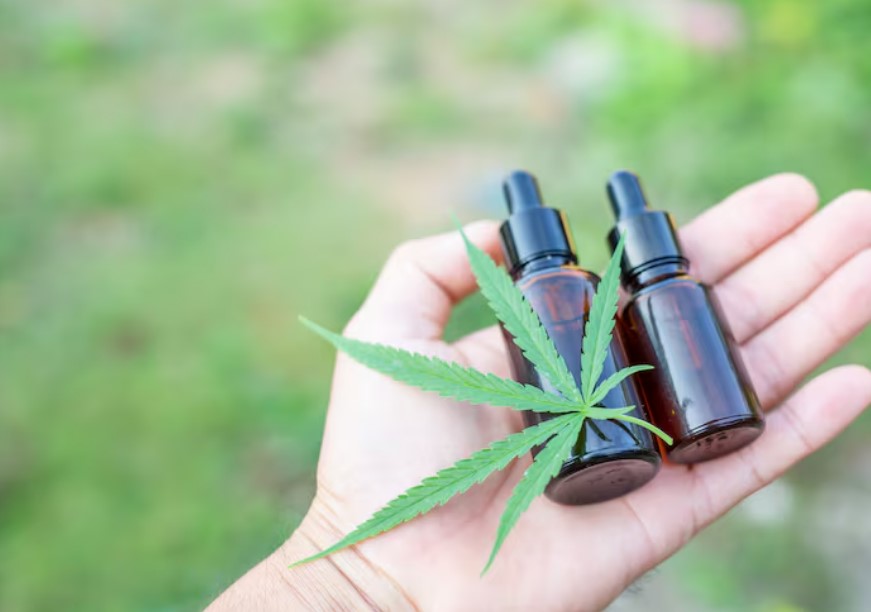
Terpenes are naturally occurring smelly chemicals that can be found in a lot of plants, like herbs, citrus fruits, pine trees, and lavender. These chemicals are part of the reason why different botanical sources have different smells. As interest in botanical aromas and specialized fragrance formulations continues to develop, terpene sprays have become an increasingly recognized product category. Their concentrated aromatic profiles and convenient application methods make them useful in various controlled settings. Understanding their composition, characteristics, and common uses can help consumers make informed decisions about product quality and suitability.
The Composition of Terpene Sprays
Terpene sprays typically contain blends of aromatic compounds formulated to deliver particular scent profiles. Common terpenes include limonene, myrcene, pinene, linalool, and caryophyllene. Each compound contributes different aromatic characteristics, allowing manufacturers to create formulations ranging from bright citrus fragrances to earthy, herbal, and woody scents.
A Terp Spray may contain terpenes extracted from botanical materials or compounds produced through other manufacturing processes. Depending on the intended application, formulations may also include suitable carriers or additional ingredients that support consistent distribution. The concentration and combination of these components influence the finished product’s fragrance intensity, stability, and application requirements.
Manufacturers often develop specific terpene blends to reproduce recognizable botanical scent profiles. However, the exact composition can vary considerably between products, making ingredient transparency an important consideration.
Distinctive Characteristics of Terpene Sprays
One of the defining characteristics of terpene sprays is their ability to deliver complex aromatic profiles through a convenient spray format. Unlike products containing a single fragrance compound, terpene blends can combine multiple aromatic notes to create layered scent experiences.
Volatility is another important characteristic. Many terpenes evaporate relatively easily, allowing their aromas to become noticeable after application. However, evaporation rates differ between compounds, which can affect how quickly certain fragrance notes appear and how long they remain detectable.
Terpene sprays also vary in strength, formulation, and compatibility with different materials. Some products are designed for specific surfaces or manufacturing applications, while others may be intended for controlled aromatic use. Understanding these differences is essential because not every terpene formulation is suitable for every purpose.
Common Uses of Terpene Sprays
Terpene sprays are used in several specialized applications where aromatic characteristics are important. One common purpose involves adding or adjusting fragrance profiles in compatible products. Manufacturers may use carefully formulated terpene blends to achieve particular botanical aromas or maintain consistency between production batches.
Certain terpene sprays are also marketed for enhancing the aromatic characteristics of dried botanical materials. In these applications, product compatibility, concentration, and manufacturer instructions are especially important. Only formulations specifically tested and labeled for the intended use should be considered.
Another application involves fragrance development and product experimentation. Terpene blends allow formulators to explore different aromatic combinations and understand how individual compounds interact. Their versatility makes them relevant to businesses working with botanical fragrances and specialized scent products.
Factors That Influence Terpene Spray Quality
The quality of a terpene spray depends on several factors, including ingredient purity, formulation accuracy, packaging, and storage conditions. Reliable manufacturers may provide information about terpene composition, recommended applications, and relevant quality testing.
Proper storage is particularly important because exposure to heat, oxygen, and direct sunlight can gradually change certain terpene compounds. Keeping products in tightly sealed containers under recommended conditions helps maintain their intended aromatic characteristics.
Consumers should also review safety information before using terpene sprays. Concentrated terpenes can irritate skin or respiratory tissues, and some formulations may be flammable. Products should never be inhaled directly, ingested, or applied to materials intended for consumption unless their labeling and safety documentation explicitly support that application.
Conclusion
Terpene sprays combine botanical aromatic compounds with practical formulation methods to create distinctive fragrance profiles. Their composition, volatility, and concentration influence how they perform across different applications. By understanding ingredient quality, intended uses, and appropriate handling practices, consumers and businesses can select terpene spray products that align with their specific requirements while maintaining safety and consistency.
