
Ammunition collections provide an unusual window into industrial history, manufacturing technology, and changing societies. Museums preserve these objects not simply because they are connected to firearms, but because they reveal important details about engineering, material science, and historical events. A cartridge case, original packaging, or factory catalog can tell a story about the period in which it was produced. Preserving such collections requires careful documentation, specialist knowledge, and appropriate safety procedures. Understanding this work demonstrates how ordinary industrial objects can become valuable historical evidence.
Why Ammunition Appears in Museum Collections
Historical ammunition can help researchers understand changes in manufacturing methods, military logistics, commercial production, and industrial design. Different objects reveal how factories responded to technological developments and changing demands.
Collections may include inert cartridge examples, original packaging, manufacturing records, and photographs. Each item offers information that extends beyond its original intended function.
Museums often place these materials within wider exhibitions about engineering, transportation, industrial development, or military history. This approach allows visitors to understand the historical context without treating ammunition as an isolated subject.
Understanding the Broader Meaning of Munitions
The term munitions encompasses a broad range of military supplies, including ammunition and explosive ordnance. In museum documentation, its meaning depends on the context of the collection and the historical period being examined.
An exhibition about industrial production might use the term while discussing factory output, supply chains, and wartime manufacturing. Another exhibition might focus on the social experiences of communities connected to munitions factories.
These different perspectives illustrate why the terminology matters. Objects are often best understood through the people, organizations, and historical circumstances associated with them.
How Museums Document Historical Objects
Museum documentation involves recording information about an object’s identity, origin, condition, and historical significance. Accurate records help preserve information even when an object cannot be displayed publicly.
Curators may investigate the manufacturer, production period, original packaging, or historical setting associated with a collection item.
Documentation can also reveal uncertainty. An object may have incomplete ownership records or an unclear manufacturing date. Rather than inventing missing details, responsible collections professionals distinguish verified information from reasonable historical interpretations.
This careful approach helps maintain the reliability of museum research.
Examining 44 Magnum as an Industrial Artifact
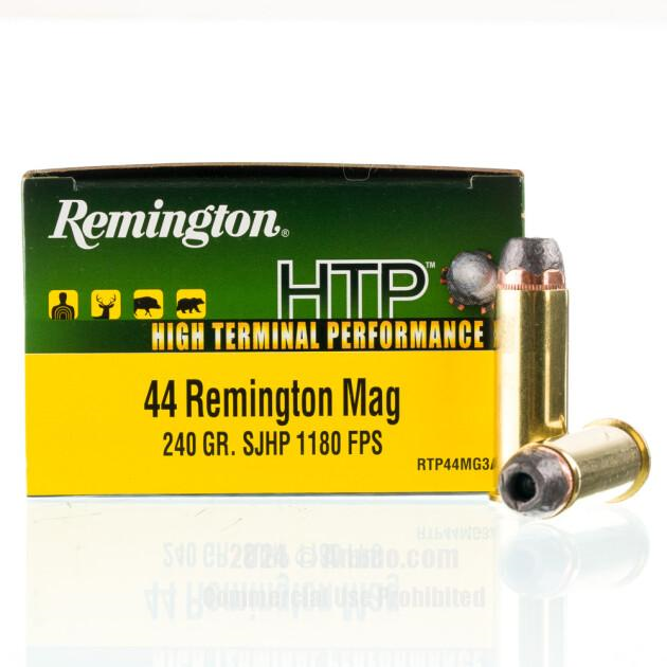
The 44 magnum cartridge provides an example of how a recognizable commercial cartridge can be studied from an industrial-history perspective. Introduced commercially during the 1950s, it belongs to a period when American manufacturers continued developing specialized revolver products.
Museum researchers might examine historical advertisements, packaging designs, manufacturer catalogs, and contemporary publications to understand how the cartridge was presented to the public.
Such materials can reveal changes in marketing language, manufacturing practices, and consumer culture without requiring demonstrations involving functioning ammunition.
Why Preservation Requires Specialist Knowledge
Historic ammunition-related objects may present safety concerns, especially when their contents or condition are uncertain. Museums therefore rely on established collection policies and appropriately qualified specialists.
Several considerations are important when managing these collections:
- Documenting an object’s identity and known history.
- Distinguishing verified information from uncertain descriptions.
- Restricting access to potentially hazardous materials.
- Consulting qualified specialists when an object’s condition is unclear.
- Following applicable laws and institutional safety requirements.
- Maintaining accurate records of conservation decisions.
Potentially live or unidentified ammunition should never be assumed safe simply because it is old. Qualified assessment is essential before conservation, movement, or display decisions are made.
The Importance of Packaging and Advertising
Original packaging is particularly valuable to historians because it can preserve information that is missing from individual objects. Printed labels may identify manufacturers, historical trademarks, production periods, and commercial descriptions.
Advertisements provide another layer of evidence. Their language and imagery can reveal how companies communicated with customers and how public attitudes changed over time.
Together, packaging and advertising help researchers connect physical objects with wider developments in industrial and social history.
How Museums Make Collections Accessible
Not every historical object can be safely or practically placed on public display. Museums often use photographs, archival documents, digital catalogs, and interpretive exhibits to make collections accessible.
Digital records can allow researchers to study manufacturing history without physically handling sensitive objects. Exhibition labels can also explain technical terminology in language suitable for visitors unfamiliar with the subject.
This educational approach emphasizes historical understanding while respecting safety requirements and the limitations of available evidence.
Conclusion
Historical ammunition collections provide valuable insight into manufacturing, technology, commerce, and society. Their significance often lies in the documentation, packaging, and personal histories surrounding the objects rather than the objects alone. Museums preserve this information through careful research, accurate records, professional conservation, and responsible interpretation. By presenting these collections within their historical context, institutions help visitors understand how industrial products reflect larger economic and cultural changes. Thoughtful preservation ensures that these stories remain available to future generations.
