
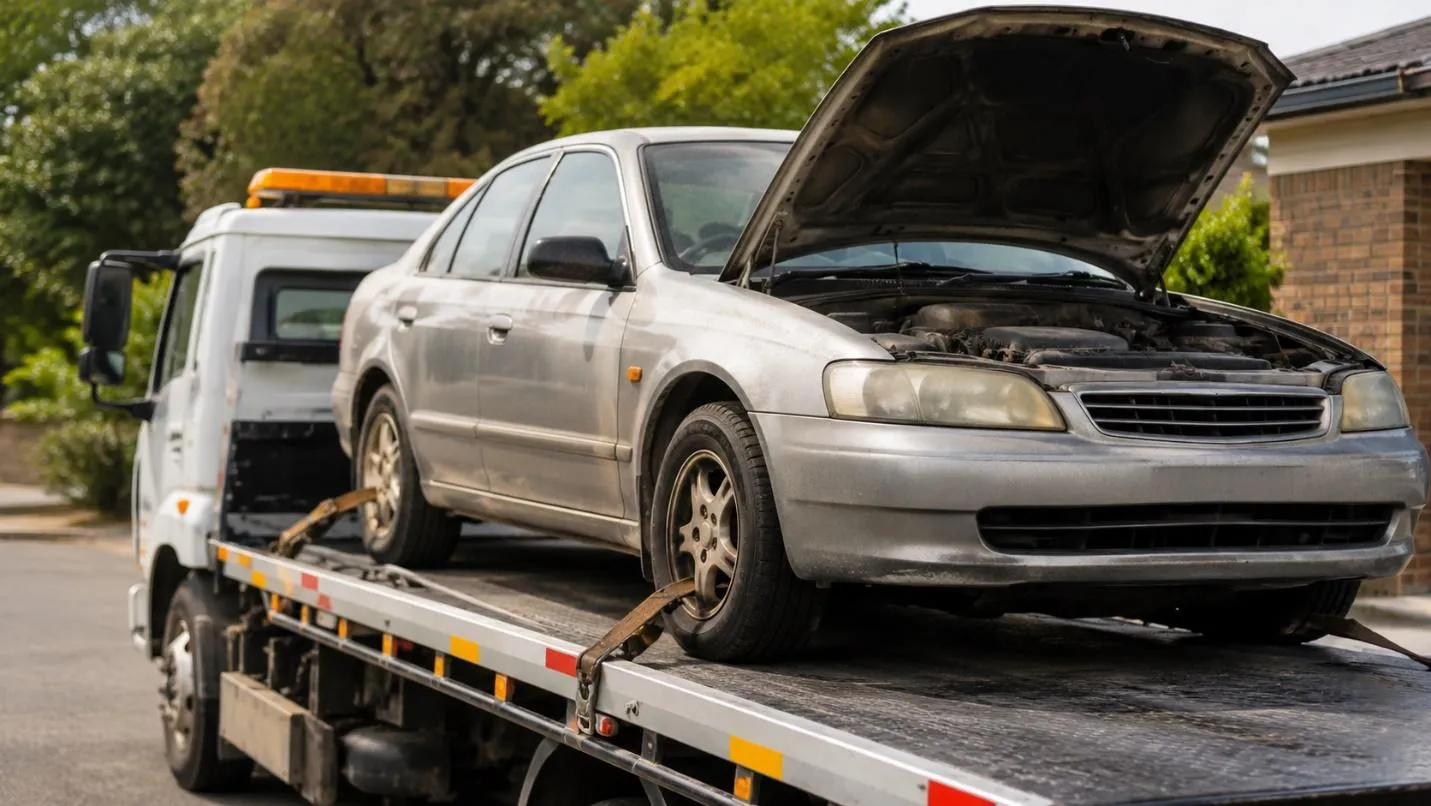
Buying a car that doesn’t run can be a practical way to save money, especially if you’re looking for a restoration project, a repairable vehicle or a second-hand car being sold below market value. However, getting the vehicle home can be more complicated than purchasing it.
Unlike a roadworthy car, a non-running vehicle cannot simply be driven away. It may need specialised loading equipment, a suitable tow truck and careful coordination with the seller.
Whether you’re buying privately, through an auction or from a dealership, arranging transport before collection day can help you avoid unexpected costs, delays and unnecessary complications.
Find Out Exactly Why the Car Doesn’t Run
Not all non-running vehicles are in the same condition. Some have flat batteries or mechanical faults that prevent the engine from starting, while others have significant damage affecting their wheels, steering or brakes.
These differences matter when planning transport.
A vehicle that doesn’t start but can roll freely may be relatively straightforward to load onto a flatbed truck. However, a car with seized brakes, missing wheels or damaged suspension may require additional recovery equipment.
Before agreeing to collect the vehicle, ask the seller:
- Does the engine start, even briefly?
- Can the vehicle roll freely?
- Are the steering and brakes functional?
- Are all four wheels attached and the tyres inflated?
- Has the vehicle sustained accident damage?
- Is the vehicle accessible to a tow truck?
Request recent photographs showing the vehicle’s condition and surroundings.
Having accurate information helps the transport provider determine what equipment will be necessary before arriving at the collection address.
Arrange the Right Transport Before Collection Day
Once you understand the vehicle’s condition, the next step is arranging suitable transport.
For most non-running cars, a flatbed tow truck is a practical option because the vehicle can be transported without its wheels contacting the road. Depending on its condition, loading may involve a winch or other recovery equipment.
However, not every vehicle can be loaded using standard towing procedures. Cars with damaged suspension, locked wheels or restricted access may need a different approach.
For buyers collecting a non-running vehicle in Canberra or surrounding areas, experienced towing providers such as Underground Towing & Salvage can help assess the vehicle’s condition and arrange appropriate equipment for collection and transport.
When contacting a towing provider, explain the vehicle’s condition rather than simply saying it won’t start.
Sharing details about the wheels, brakes, steering and pickup location allows the operator to assess the job and identify potential loading difficulties.
Ideally, arrange transport before finalising the collection date with the seller.
Check the Collection Location and Access Conditions
The vehicle’s condition is only one part of the transport process. Its location can also affect how easily it can be recovered.
A non-running car parked in an open driveway may be easier to collect than one stored inside a narrow garage or underground car park.
Potential access challenges include:
- Narrow driveways: Limited space can prevent larger recovery vehicles from approaching.
- Underground parking: Low ceilings may restrict access for certain tow trucks.
- Steep slopes: Loading a vehicle on an incline may require additional precautions.
- Tight parking spaces: Nearby vehicles or structures can make manoeuvring difficult.
- Soft or uneven ground: Vehicles parked on grass, gravel or unstable surfaces may be harder to recover.
Ask the seller to provide photographs of the parking area and the available access route.
If the vehicle is stored at an auction yard or commercial premises, confirm whether there are specific collection procedures or operating hours.
These details should be communicated to the towing provider when requesting a quote.
According to Joshua Harrison, Founder of Underground Towing & Salvage, collecting a non-running car requires more planning than simply sending a tow truck to an address. A vehicle’s ability to roll, steer and brake can determine the equipment needed, while restricted access may create additional challenges. Buyers should confirm these details with the seller before collection day and communicate them to their towing provider. Doing so helps operators assess the recovery requirements and reduces the likelihood of arriving without suitable equipment.
Understand the Full Cost of Transport
A low purchase price doesn’t necessarily mean a non-running vehicle is a bargain.
Transport expenses should be considered alongside the vehicle’s purchase price, anticipated repairs and other ownership costs.
Several factors can influence towing charges, including:
- Transport distance: Longer journeys generally increase the overall cost.
- Vehicle condition: Cars requiring winching or additional loading equipment may cost more to collect.
- Pickup accessibility: Restricted access can increase the complexity of the recovery.
- Vehicle size and weight: Larger or heavier vehicles may require different equipment.
- Collection timing: After-hours or urgent collections may attract additional charges.
Underground Towing & Salvage’s experience with non-running and accident-damaged vehicles highlights an important consideration: the distance between pickup and delivery addresses is only one factor in planning a transport job. Loading requirements and access conditions can be equally important.
Before committing to a purchase, request a transport quote based on the vehicle’s actual condition.
Where possible, confirm what the quote includes and whether additional recovery charges could apply.
This gives you a clearer understanding of the vehicle’s total acquisition cost.
Complete the Paperwork and Confirm Collection Arrangements
Transport isn’t the only detail that needs attention before collection day.
Buying a used vehicle involves checking its identity, ownership details and any financial interests recorded against it.
In Australia, buyers can conduct a Personal Property Securities Register (PPSR) search through the Australian Financial Security Authority. This can help identify registered security interests and certain other information associated with a vehicle.
A PPSR search does not independently prove ownership, so buyers should also check the seller’s authority to sell the vehicle.
Before collection, make sure you have:
- Confirmed the vehicle identification number (VIN).
- Checked the seller’s identity and authority to sell.
- Agreed on the purchase price and payment arrangements.
- Obtained a receipt or other appropriate proof of purchase.
- Confirmed the vehicle’s registration status.
- Reviewed any applicable state or territory transfer requirements.
The registration process may differ depending on where the vehicle is purchased and whether it is currently registered.
For interstate purchases, check the requirements of the relevant transport authorities before arranging collection.
You should also confirm who will provide the keys, whether the seller needs to be present and who will receive the vehicle at its destination.
Prepare a Collection-Day Checklist
Having a simple checklist can make collection day considerably easier.
Before the tow truck arrives, confirm the following information with both the seller and the transport provider.
Vehicle details
- Make, model and approximate vehicle weight.
- Registration number and VIN, where available.
- Whether the vehicle starts, rolls, steers and brakes.
- Any accident damage or missing components.
Collection details
- Exact pickup address and vehicle location.
- Property access arrangements.
- Agreed collection date and time.
- Seller’s contact information.
- Availability of keys and necessary paperwork.
Delivery details
- Exact delivery address.
- Suitable space for unloading the vehicle.
- Name and contact details of the person receiving it.
- Any access restrictions at the destination.
It’s also worth clearing unnecessary personal belongings from the car before collection.
If the vehicle is being delivered to a mechanic or restoration workshop, confirm that the business can accept it at the scheduled arrival time.
For residential deliveries, ensure there is enough space for the truck to unload safely.
Checking these details beforehand can prevent avoidable delays for everyone involved.
Plan the Transport Before You Buy
Buying a non-running car can be worthwhile, particularly when the purchase price reflects its condition and the potential repair costs are understood.
However, transporting the vehicle should never be an afterthought.
Before collection day, establish why the car doesn’t run, confirm whether it can be safely loaded and provide accurate information about its location. Compare transport quotes, complete the necessary paperwork and coordinate collection arrangements with the seller.
Most importantly, consider the total cost of purchasing, transporting and repairing the vehicle before committing your money.
With proper planning and the right towing arrangements, collecting a non-running car can be a much more straightforward process, allowing you to focus on what comes next: getting it back on the road.
