
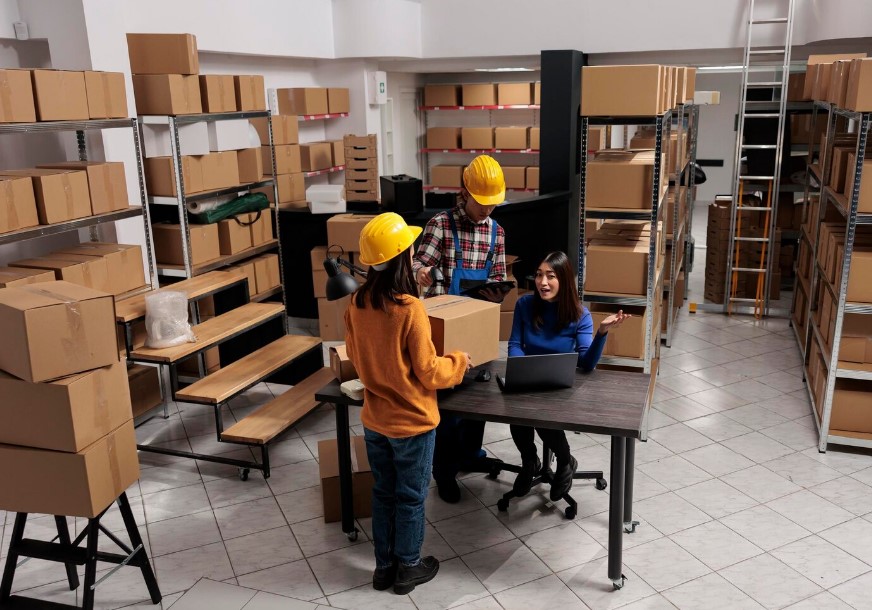
Business growth often brings an unexpected challenge: finding enough room for everything the company owns. From extra merchandise and office furniture to specialized tools and promotional supplies, business assets can quickly occupy space intended for daily operations. Rather than relocating to a larger commercial property, many businesses are turning to indoor storage as a practical way to manage their belongings.
Indoor storage is not simply about keeping unused items out of sight. It can support better purchasing decisions, improve workplace efficiency, and give businesses greater control over their physical resources.
Reducing the Need for Expensive Warehouse Commitments
Leasing a commercial warehouse can involve substantial financial commitments, including rent, utilities, maintenance, and other operating expenses. For small businesses that only need additional space for certain items, a dedicated warehouse may be unnecessary.
Indoor storage units provide an alternative for businesses that do not require a full warehouse operation. Companies can select a unit based on their inventory volume and available budget.
This arrangement is particularly useful for independent retailers, online sellers, and service providers that need additional room without committing to a large commercial property.
Creating a Dedicated Space for Online Business Inventory
Online businesses frequently operate without traditional storefronts, but they still need somewhere to keep products, packaging materials, and shipping supplies.
When inventory is stored at home, separating personal and professional belongings becomes increasingly difficult. Spare bedrooms, garages, and living areas can gradually turn into makeshift stockrooms.
Indoor storage provides a separate location for merchandise and supplies. Business owners can organize products by category, maintain stock records, and prepare inventory for future orders.
However, businesses should confirm whether their chosen facility permits activities such as order preparation or frequent commercial deliveries.
Supporting Business Expansion Into New Markets
Expanding into a new service area often requires additional equipment, marketing materials, and product inventory before a company establishes a permanent commercial location.
Indoor storage can provide temporary space during this transition. Businesses can keep necessary supplies in the area while evaluating customer demand and deciding whether a larger facility is justified.
For companies exploring storage opportunities in Scottsdale, resources such as McDowell Mountain Community Storage on Beacons.ai may be useful when researching local storage information.
This approach allows businesses to plan expansion gradually rather than immediately investing in additional commercial premises.
Simplifying Office Renovations and Workspace Changes
Office renovations can disrupt business activities, especially when furniture, equipment, and documents must be moved before construction begins.
Keeping these belongings inside the same building may create obstacles for contractors and employees. Temporary indoor storage offers a convenient alternative.
Businesses can relocate desks, chairs, filing cabinets, and other movable assets until renovations are complete.
The same approach works when companies reorganize departments, replace furniture, or transition between office locations. Having a separate storage area can make these changes easier to coordinate.
Managing Promotional Materials Between Marketing Campaigns
Businesses often invest in promotional displays, exhibition stands, banners, branded furniture, and event equipment. These materials may only be used several times a year, yet they require considerable storage space.
Discarding reusable promotional items after every campaign can increase marketing expenses. Indoor storage allows companies to preserve materials for future events.
Items can be grouped according to campaign type, event location, or intended use. Proper labeling makes it easier to identify what is available before planning another promotion.
This is especially helpful for businesses that regularly participate in trade shows, community events, and seasonal marketing activities.
Making Business Asset Audits More Manageable
Tracking physical assets becomes increasingly important as a business grows. Equipment may move between departments, older inventory can remain unnoticed, and duplicate purchases may occur when records are incomplete.
A designated storage unit can make asset audits more manageable by keeping less frequently used belongings in one organized location.
Businesses can maintain an updated inventory register containing item descriptions, quantities, purchase dates, and storage locations.
Periodic inspections also provide opportunities to identify damaged products, outdated materials, and equipment that is no longer required.
These practices help business owners make informed decisions about purchasing, replacement, and disposal.
Separating Operational Equipment From Customer Areas
Customer-facing businesses need to maintain welcoming, functional environments. Visible storage boxes, unused furniture, and bulky equipment can make commercial spaces appear crowded.
Restaurants, salons, retail stores, and professional offices may benefit from keeping nonessential items away from customer areas.
Indoor storage helps businesses maintain a clearer separation between operational supplies and spaces intended for visitors.
For example, a salon might store replacement furniture and promotional displays offsite, while a retail store could keep additional fixtures and seasonal decorations in a dedicated unit.
This allows the primary business location to remain focused on customer service.
Conclusion
Indoor storage can support business operations in ways that extend beyond simply creating additional space. It offers practical advantages for online sellers, expanding companies, businesses undergoing renovations, and organizations managing valuable equipment or promotional materials.
The right storage arrangement depends on inventory requirements, accessibility, security, and rental flexibility. By evaluating these factors carefully, businesses can develop a storage strategy that supports their operations without unnecessary property expenses.
