
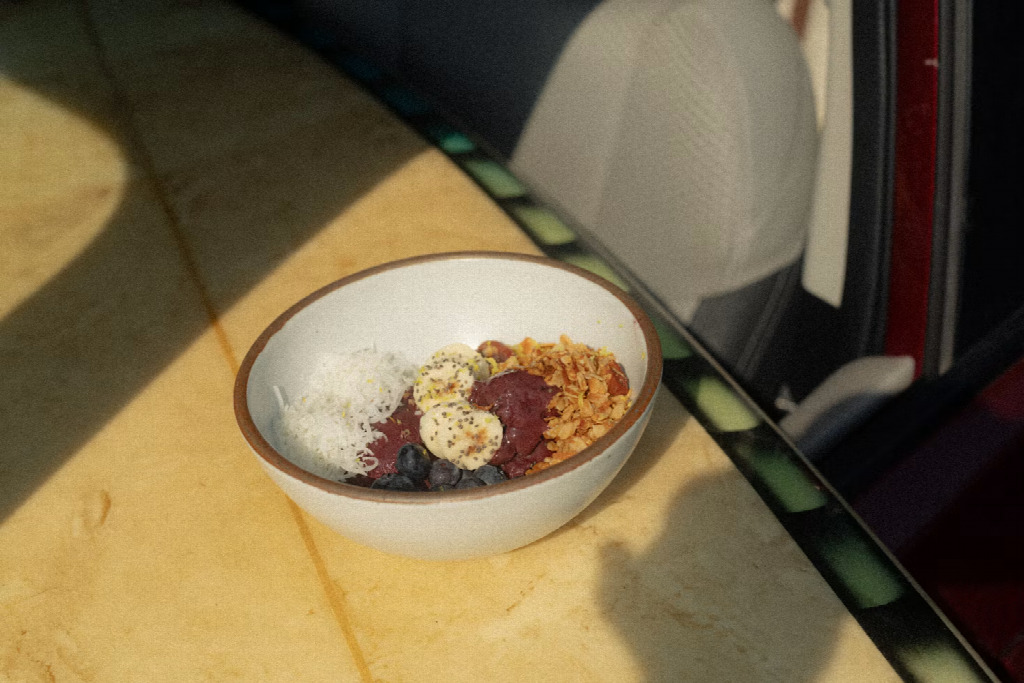
Coconut Acai Base: Exotic Flavors for Your Smoothie Bowls
The coconut acai base has emerged as a compelling alternative to traditional smoothie bowl foundations, combining the creamy richness of coconut with the antioxidant density of acai berries. This pairing delivers both nutritional value and a tropical flavor profile that’s reshaping breakfast routines and post-workout meals across the country.
What makes this combination particularly effective is the way coconut’s natural fats complement acai’s tart berry notes while creating a texture that holds toppings without turning soupy. The result is a bowl that’s both satisfying and versatile enough to accommodate different dietary preferences and flavor experiments.
Understanding the Coconut Acai Base
At its core, a coconut acai base blends frozen acai puree with coconut milk or coconut water. The coconut component serves a dual purpose: it provides the liquid needed for blending while contributing medium-chain triglycerides (MCTs) that offer quick-burning energy. These fats are metabolized differently than long-chain fatty acids, making them a preferred fuel source for many athletes and health-conscious consumers.
The flavor profile strikes a balance between coconut’s subtle sweetness and acai’s earthy berry tang. Unlike bases made with juice or yogurt, the coconut version maintains a neutral backdrop that doesn’t compete with toppings. This makes it particularly adaptable for both fruit-forward bowls and those incorporating nuts, seeds, or even savory elements.
Quality matters significantly in the final product. Whether you pick up unsweetened frozen puree packs from the freezer aisle or a ready-made option like the coconut bowl base from Acai Exotic, which comes frozen and ready to blend, check the ingredient list for added sugar and fillers. Blending quality frozen puree at home can yield comparable results.
Nutritional Benefits Worth Considering
The coconut acai combination delivers several measurable nutritional advantages:
-
Antioxidant Density: Acai berries rank among the highest-ORAC foods available, supporting cellular health and reducing oxidative stress.
-
Sustained Energy: The MCTs in coconut provide rapid energy without the blood sugar spike associated with simple carbohydrates, making these bowls effective for pre-workout fuel or morning meals.
-
Micronutrient Profile: Coconut contributes manganese, copper, and selenium, while acai adds vitamins A and C along with calcium and potassium.
-
Digestive Support: Coconut’s lauric acid has antimicrobial properties that may benefit gut flora, though individual responses vary.
-
Healthy Fat Content: The saturated fats in coconut, while once controversial, are now understood to have a neutral or potentially beneficial effect on cholesterol profiles when consumed as part of a balanced diet.
These benefits position coconut acai bases as more than just a flavor preference—they represent a functional food choice that supports various health goals from athletic performance to general wellness.
Building Your Bowl at Home
Creating a restaurant-quality coconut acai bowl requires attention to ratios and technique. The consistency should be thick enough to eat with a spoon, not drink through a straw.
Start with these proportions:
-
Base Ingredients: Combine 100 grams frozen acai puree, 1/2 cup coconut milk (full-fat for creaminess, light for fewer calories), one frozen banana, and 2-3 ice cubes.
-
Blending Technique: Use a high-powered blender and pulse rather than continuous blending. This prevents over-liquefying. Scrape down sides as needed. The mixture should be thick enough that the blender struggles slightly.
-
Temperature Control: Work quickly and keep ingredients frozen until the moment of blending. Room temperature ingredients create a thin, icy result rather than the desired soft-serve texture.
-
Assembly: Pour into a chilled bowl immediately. The base should hold its shape when spooned, creating a stable foundation for toppings.
Elevating Your Bowl Beyond Basics
The difference between a mediocre smoothie bowl and an exceptional one often comes down to thoughtful topping selection and placement. Consider these approaches:
-
Textural Contrast: Pair the smooth base with crunchy elements like grain-free granola, cacao nibs, or toasted coconut chips. The interplay between creamy and crispy makes each bite more engaging.
-
Nutrient Boosters: Hemp seeds add complete protein and omega-3s, while chia seeds contribute fiber and create an interesting gel texture when they absorb moisture from the base.
-
Fresh Fruit Strategy: Rather than scattering berries randomly, arrange them in sections. This creates visual appeal and allows you to control the fruit-to-base ratio in each spoonful.
-
Healthy Fats: A small amount of almond butter or tahini drizzled on top adds richness and helps with the absorption of fat-soluble vitamins from the acai and other ingredients.
-
Superfood Additions: Ingredients like bee pollen, goji berries, or spirulina can enhance nutritional value, though they should be used sparingly to avoid overpowering the base flavors.
The goal is creating layers of flavor and nutrition that work together rather than competing. Each topping should serve a purpose, whether textural, nutritional, or flavor-based.
Popular Variations and Customizations
Once you’ve mastered the basic coconut acai base, these variations offer different flavor profiles and nutritional focuses:
-
Tropical Green: Blend in a handful of spinach or kale without altering the flavor significantly. The coconut masks any vegetal notes while the chlorophyll adds a vibrant color.
-
Protein-Packed: Add a scoop of vanilla protein powder and reduce the banana slightly to maintain proper consistency. This transforms the bowl into a complete post-workout meal.
-
Berry Antioxidant Boost: Include mixed frozen berries (blueberries, raspberries, strawberries) in the base blend for amplified antioxidant content and a deeper purple hue.
-
Chocolate Coconut: Mix in raw cacao powder and top with cacao nibs and coconut flakes for a dessert-like bowl that still delivers nutritional benefits.
-
Mango Turmeric: Blend frozen mango with the base and add a pinch of turmeric and black pepper (which enhances turmeric absorption) for an anti-inflammatory variation.
Each variation maintains the coconut base while shifting the nutritional and flavor emphasis. Experimentation is encouraged—the worst outcome is typically just a less-than-perfect bowl that’s still nutritious and edible.
Making Coconut Acai Bowls Work for Your Routine
The coconut acai base offers more than just nutritional benefits and tropical flavors—it represents a practical approach to consistent, healthy eating. The key is developing systems that make these bowls as convenient as less nutritious alternatives.
Batch preparation makes weekday bowls feasible. Portion individual servings of acai puree, frozen banana chunks, and measured coconut milk into freezer bags. Each morning becomes a simple matter of dumping one bag into the blender, eliminating decision fatigue and prep time. This approach works particularly well for those who struggle with breakfast consistency.
The versatility of the coconut base also means it adapts to different dietary needs without requiring entirely separate recipes. Those following keto protocols can reduce the banana and increase coconut content while adding MCT oil. Plant-based eaters already have a fully vegan option. Athletes can boost protein content, while those focused on weight management can control portions and calorie density through topping choices.
What makes the coconut acai base particularly sustainable as a dietary habit is its balance of indulgence and nutrition. It satisfies cravings for something sweet and substantial while delivering measurable nutritional value. This dual nature helps explain why smoothie bowls have moved beyond trend status to become a permanent fixture in health-focused eating patterns.
Whether you’re drawn to the tropical flavor profile, the antioxidant content, or simply the ritual of assembling a beautiful bowl, the coconut acai base provides a foundation worth exploring. Start with the basic recipe, experiment with variations that match your preferences, and adjust based on how your body responds. The best smoothie bowl is ultimately the one you’ll actually make and enjoy consistently.
