
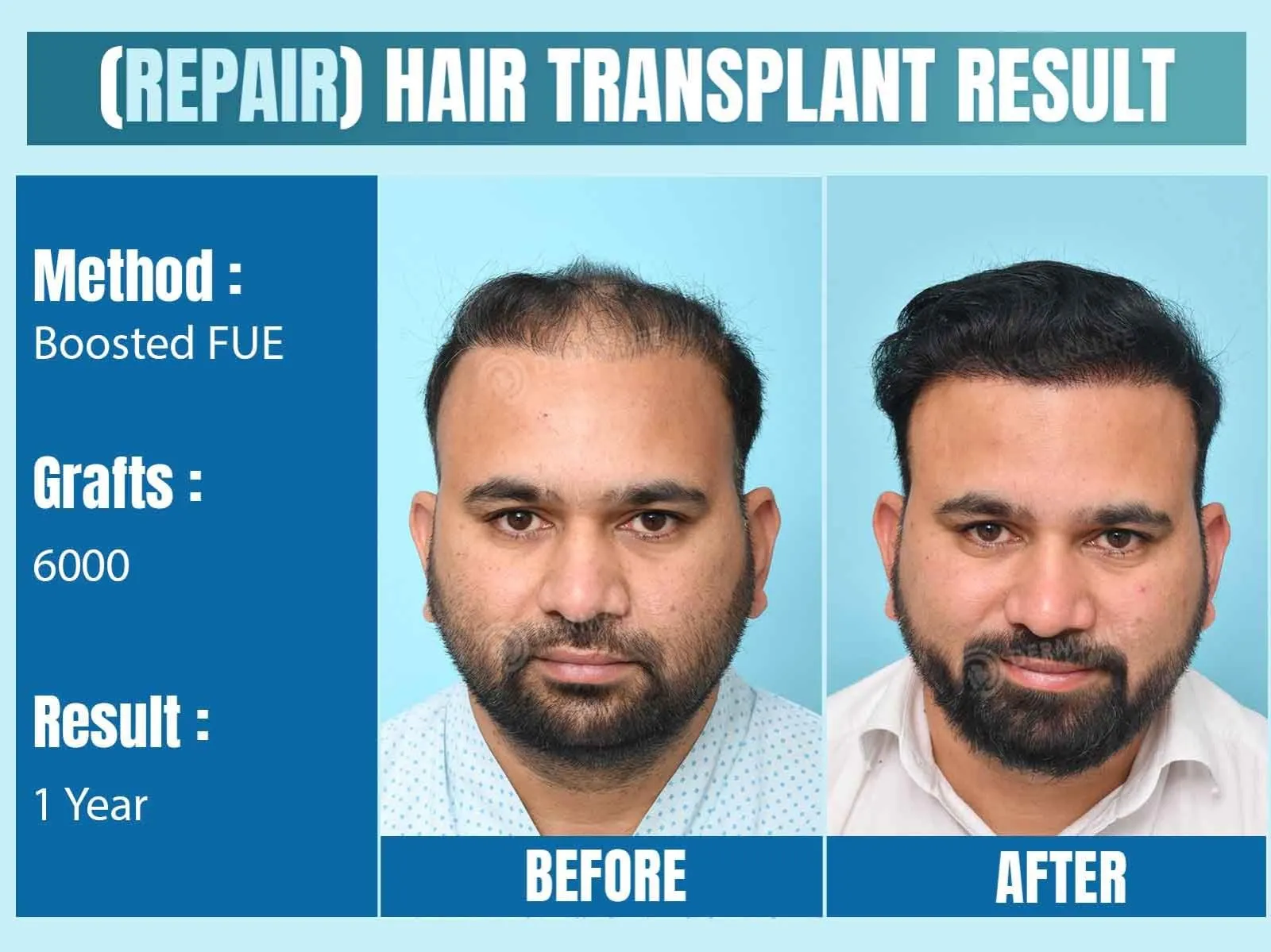
Hair loss and changes in facial hair growth can affect a person’s confidence and appearance. While some individuals experience gradual scalp hair thinning, others may have patchy beards or visible gaps in facial hair. With advancements in hair restoration techniques, several treatment options are now available to address these concerns.
However, choosing the right hair transplant center is an important decision. Patients should consider the surgeon’s qualifications, clinical experience, available procedures, treatment planning, and transparency in pricing before proceeding with surgery.
What Should You Look for in a Hair Transplant Center?
A reliable hair restoration clinic should focus on medical assessment and individual treatment planning rather than offering the same procedure to every patient.
Some important factors to consider include:
1. Qualified and experienced surgeon
Hair transplantation requires knowledge of dermatology, hair growth patterns, scalp anatomy, and surgical techniques. Patients should check the surgeon’s medical qualifications, specialised training, and experience in performing hair restoration procedures.
2. Personalised treatment planning
The number of grafts required, donor hair availability, hair thickness, and pattern of hair loss differ from person to person. A proper consultation helps determine whether surgery is suitable and what results can realistically be expected.
3. Appropriate surgical technique
Follicular Unit Extraction (FUE) is a commonly used hair transplant technique in which individual follicular units are extracted from the donor area and transferred to areas affected by hair loss.
At Dermalife Skin & Hair Clinic, New Delhi, FUE-based procedures and the clinic’s Boosted FUE approach are offered under the direction of Dr. Gaurav Garg. The choice of technique depends on the patient’s condition and treatment requirements.
4. Before-and-after results
Patients should review genuine clinical photographs of previous cases. It is useful to compare cases with similar hair loss patterns and understand the timeline required for visible results.
Understanding Hair Transplant Cost in Delhi
One of the most common questions patients ask before treatment is about the hair transplant cost. The overall price depends on the complexity of the procedure and the individual requirements of the patient.
Several factors influence the cost:
-
Number of grafts: Patients with advanced baldness may require more grafts than those with early-stage hair thinning.
-
Surgeon’s experience: Qualifications, surgical expertise, and involvement in the procedure are important considerations.
-
Technique and complexity: The surgical approach and specific requirements of each case can influence the treatment estimate.
-
Donor area condition: Limited donor hair or previous procedures may require more detailed planning.
-
Additional services: Consultation, post-operative care, and follow-up arrangements may also affect the overall treatment package.
Patients should not select a clinic based only on the lowest quotation. A transparent estimate should explain the expected graft count, procedure details, surgeon’s role, and services included in the price.
A consultation with a qualified hair transplant surgeon is the best way to receive an individual cost estimate.
Beard Hair Transplant: An Option for Patchy Facial Hair
Hair restoration is not limited to the scalp. Men who have naturally sparse facial hair, uneven beard growth, or hair loss due to scars and injuries may consider a beard hair transplant.
The procedure generally uses FUE to extract individual hair follicles from a suitable donor area, commonly the back or sides of the scalp. These follicles are then implanted into selected areas of the beard.
A beard transplant may help address:
-
Patchy beard growth.
-
Uneven density on the cheeks.
-
Gaps in the moustache or chin area.
-
Hair loss in facial areas following injuries or scars.
-
Poorly defined beard patterns.
The procedure requires careful planning because facial hair grows at specific angles and directions. Graft placement must follow the natural beard pattern to achieve a balanced appearance.
The number of grafts required depends on the size of the treatment area, existing facial hair, donor availability, and the patient’s expectations.
How Is Beard Transplant Different from Scalp Hair Transplant?
Although both procedures involve transferring hair follicles, their planning requirements are different.
In scalp transplantation, the surgeon focuses on hairline design, density distribution, and long-term donor management. In beard restoration, facial proportions, natural hair direction, and the existing beard pattern become especially important.
The surgeon must also assess whether scalp donor hair is suitable for the intended facial area. Not every patient is an ideal candidate, so an individual examination is necessary.
Hair Restoration at Dermalife Skin & Hair Clinic, Delhi
Dermalife Skin & Hair Clinic is located in Green Park Extension, South Delhi, and provides dermatology and hair restoration treatments under the direction of Dr. Gaurav Garg.
Dr. Garg completed his MBBS and MD in Dermatology and Venereology from Seth G. S. Medical College and KEM Hospital, Mumbai. His additional training includes hair transplant surgery in Israel, dermato-surgery at PGI Chandigarh, and advanced dermatology, dermato-surgery, and laser training at the National Skin Centre, Singapore.
The clinic offers FUE-based hair transplantation, its Boosted FUE approach, unshaven hair transplantation, corrective hair restoration, and beard hair transplant procedures. Treatment recommendations are made after evaluating the patient’s condition, donor area, and expectations.
Final Thoughts
Choosing the right hair transplant center involves more than comparing prices or promotional offers. Patients should understand the procedure, evaluate the surgeon’s qualifications, and receive a treatment plan based on their individual requirements.
Whether someone is exploring scalp hair restoration or considering a beard hair transplant, a detailed consultation helps establish suitability, expected outcomes, and the likely hair transplant cost.
The best approach is to prioritise medical expertise, transparent communication, and realistic expectations when selecting a hair restoration clinic.
