
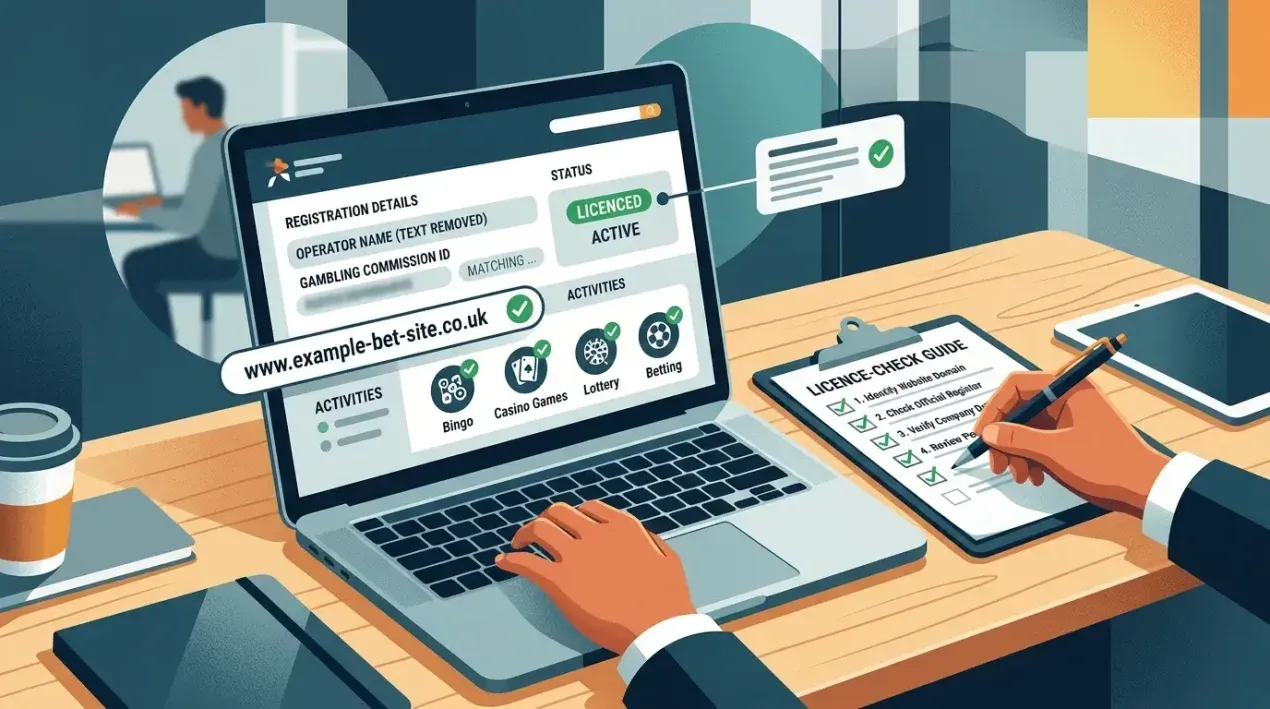
Brand names can appear on copied pages, unofficial social profiles, chat groups, and advertisements. A familiar logo is useful for recognition, but it is not proof that the page behind it belongs to the operator a user intended to visit.
Someone researching BDG Win should begin with the exact web address rather than a forwarded message. Typing or checking the domain carefully reduces the chance of entering credentials on a lookalike page created to collect passwords, payment details, or personal information.
Look Beyond the Home Page
A polished home page can be reproduced quickly, so verification should continue deeper into the site. Useful places to inspect include contact information, terms, privacy material, support instructions, responsible-use guidance, and the consistency of links across several pages.
If the details change dramatically from page to page, or important policies are missing, that deserves extra attention. A legitimate-looking design should be treated as one signal among many, not as the final test of whether a website is genuine.
Compare Support Channels Carefully
Scammers often imitate customer-support profiles because users are more willing to share information when they believe they are speaking to help staff. An unexpected request for a password, OTP, PIN, or payment is a strong reason to stop and verify the contact independently.
Before relying on a support conversation, check whether the number, email address, or chat method is actually published on the website being reviewed. If an agent asks to move immediately to a different account or payment route, confirm the change through another verified channel.
Use a Simple Verification Checklist
A repeatable checklist makes website verification faster because it replaces guesswork with the same small set of checks each time. It is especially useful when links are shared through messaging apps, where shortened addresses and copied profile names can hide the real destination.
-
Check the spelling of the domain before signing in.
-
Compare contact details across several official pages.
-
Avoid support accounts asking for passwords or OTPs.
-
Read payment and account rules before trusting a request.
These checks do not prove that every claim on a website is correct, but they help users notice obvious impersonation risks before money or sensitive information is involved.
Separate Website Claims From Verification
Platforms may describe themselves with terms such as secure, trusted, fast, licensed, or official. Those words are marketing claims unless they are supported by information that can be checked independently, such as a named regulator, clear policy documents, or verifiable business details.
The same principle applies when a page presents itself as BDG Win Official. Users should distinguish between what a website says about itself and what can be confirmed through consistent documentation, external records, or the operator’s established support channels.
Protect Information While You Check
Verification should happen before a user shares account credentials, identity documents, or banking details. Even a convincing fake site can collect information successfully if the visitor only notices the problem after submitting a form.
Using unique passwords, keeping OTPs private, and avoiding saved payment information on unfamiliar devices can reduce the impact of a mistake. Website verification and personal security work best together rather than as separate tasks.
Check Search Results With Care
Search engines may show advertisements, copied pages, social profiles, and older domains near the page a user actually wants. The first result is not automatically the correct one, especially when several sites use similar branding.
A saved bookmark created after verification can reduce repeated searching. Users should still recheck the address after redirects because an apparently familiar link can send the browser somewhere different.
Check the Age of Information
A domain can remain online while its contact details, support routes, or policies change. Users should check whether the information they are relying on is current rather than assuming an old article or screenshot still reflects the live service.
Dates, updated policy pages, and consistent navigation help establish context. Outdated information is not always fraudulent, but it should not be used as the only basis for a payment or account decision.
Conclusion
Recognising a brand name is only the beginning of online verification. The stronger approach is to check the exact domain, inspect several pages, compare support information, question unusual payment requests, and separate promotional claims from evidence that can be verified.
A short verification routine can prevent much larger problems later. Taking a few extra minutes before signing in, uploading documents, or following payment instructions helps users make more informed decisions about any gaming-related website they encounter.
